More Chinese than Korean members: Why K-pop is becoming more multicultural

Six. That is the number of Chinese members in A2O Soul, the new group recently launched by producer Lee Soo-man's A2O Entertainment as he returns to Korea's K-pop market after a three-year hiatus. The multinational group consists of 15 members, with Chinese nationals accounting for 40 percent, the largest share of any nationality. Korean nationals, including those with dual citizenship, make up five members, or 33.3 percent. It is the first time a K-pop group debuting in Korea has more Chinese members than Korean ones. Multinational groups are nothing new in K-pop. However, among groups debuting in Korea, rather than overseas-localized acts, Korean members have traditionally made up the largest nationality group. Seventeen, for example, has two Chinese members, but 10 of its 13 members (76.9 percent) are Korean. Twice, which has three Japanese members, has five Koreans out of nine members (55.6 percent). Two groups that debuted in Korea, TimeZ in 2012 and UNIQ in 2014, also had more Chinese than Korean members. But their origins were different from those of A2O Soul. Both were joint Kore
How Gambia became unlikely voice of Myanmar’s Rohingya


Israel's Ben-Gurion University launches competition to design next-generation nuclear reactor

Iraq moves to reclaim Kataib Hezbollah stronghold as Baghdad tests its authority - analysis

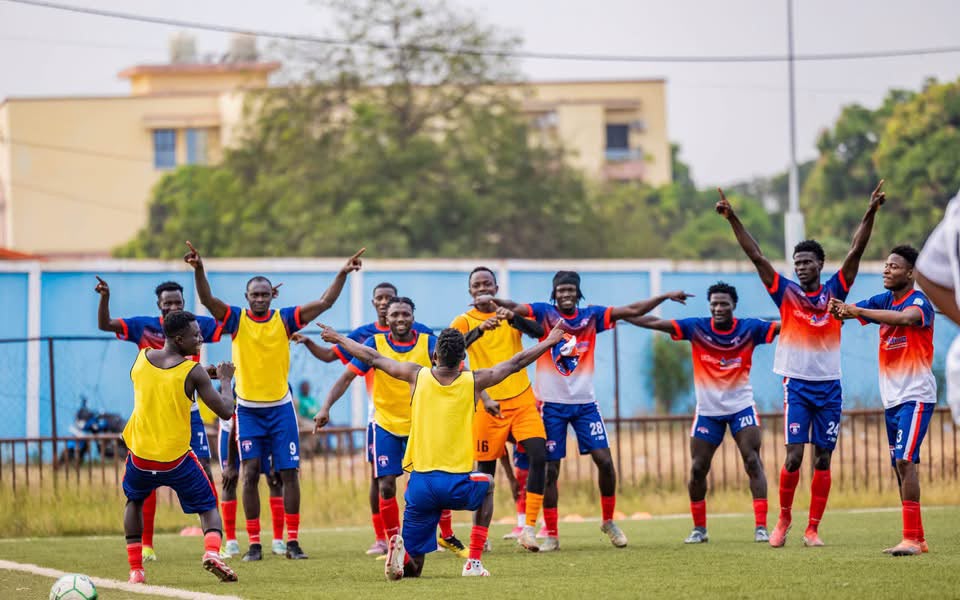
Ligue 2 : premier match, première désillusion pour Babou Kouyaté avec Ziama
올해 수출 ‘1조달러’, 1달러 지폐로 이으면 지구 3897바퀴…1분에 42억원어치 수출
