Search recent news
Search headlines, publishers, and topics in Factum’s recent news index.
Only the past seven days are included in this beta.
Earth, Jupiter, and Dying Stars Could Help Us in the Hunt for Dark Matter Translated from ""
Discover what massive celestial bodies, such as Earth and the sun, might tell us about a substance that has puzzled scientists for almost a century.

Newly Discovered Snake Species Comes Equipped With a Built-In Egg Peeler Translated from ""
Discover Dasypeltis albigularis, a reptile found in Ethiopia’s cloud forests that eats only eggs.

Bumblebee-Sized Robot Uses Its Own "Brain" to Fly, Opening the Door to Advanced Robotics Translated from ""
Learn how engineers are developing tiny robots that can fly on their own and what that could mean for future robotics.
Inherited Neanderthal DNA Variant May Reduce Schizophrenia Risk by Nearly 10 Percent Translated from ""
Learn about the variant DAAM1, a genetic variant linked to a lower risk of schizophrenia and a smaller occipital lobe.

Sour Milk May Have Eaten Away at These 5,000-Year-Old Pots Buried With the Dead Translated from ""
Learn how damage to 5,000-year-old pottery points to fermented milk offerings in Neolithic tombs in Denmark.

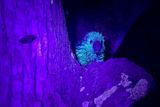
This Porcupine Glows Green and Blue Under UV Light, but Why It Does So Remains a Mystery Translated from ""
Meet Coendou mexicanus, a type of photoluminescent porcupine whose glow could help scientists understand more about this solitary, mysterious animal.
Introvert or Social Butterfly? Dolphins May Live Longer When They Stick to Their Social Style Translated from ""
Learn how 40 years of dolphin observations linked consistent social habits to longer lives, whether the animals preferred small groups or larger crowds.

How to Use the Merlin App, Forage in the Fall and Winter, See Sundogs and the Oldest Architecture in the U.S., and Identify Animal Tracks in the Snow Translated from ""
Check out November 2026's roundup of "Explore with Discover" weekly science tips and learn more about the natural world around you.

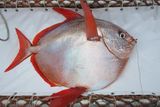
The World's Only Fully Warm-Blooded Fish Is 9 Degrees Fahrenheit Hotter Than Its Environment Translated from ""
Learn how the moonfish is a biological rule breaker as a fully warm-blooded fish.
Up to 10,000 Bits of Space Rock Strike Earth Every Year, Hitting Houses, Cows, and Even Cars Translated from ""
Learn more about how Earth is continually bathed in space dust, rock, and debris. So far, only three of those have managed to hit a car (that we know of).

Ancient Egyptian Rubbish Dump Reveals 3,400-Year-Old Fragments of Famous Curse Ritual Translated from ""
Learn how a papyrus discovery pushed back the known timeline of the curse by 1,000 years and also suggests it was practiced more often than previously assumed.

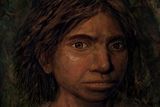
Pieces of the Denisovans’ History Remain Missing — and Some May Be Lost Forever Translated from ""
Only a small number of Denisovan remains have been found, but they may be skewing what we know about this ancient human lineage.
Climate Change Alone Can't Fully Explain Neanderthal Extinction, Modern Humans May Have Played a Key Role Translated from ""
Learn how the expansion of modern humans across Eurasia may have caused declining Neanderthal communities to become isolated and fractured.

From First-Time Attendees to Nobel Prize Winners, Meet the People of Pittcon Translated from ""
At Pittcon, scientists at every stage of their careers can meet, share ideas, build connections, and learn from one another.

Viking Age Brooches May Have Been Crafted by Local Artisans, Not Mass-Produced as Once Thought Translated from ""
Learn how Viking Age brooches were crafted with special motifs by local artisans, becoming a popular fashion icon across Scandinavia.

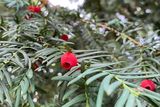
Genetically Altered Tobacco Plants Could Help Make a Popular Chemotherapy Drug Cheaper and Easier to Manufacture Translated from ""
Learn how researchers were able to genetically modify tobacco plants to make taxol, a chemotherapy drug that comes from the yew tree and is typically expensive and slow to manufacture.
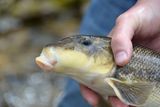
Cold War Bomb Tests Helped Confirm These Missouri River Fish Can Live Past 130 Translated from ""
Learn how ear stones and Cold War bomb tests revealed that blue suckers live past 130, and why almost no young ones are left in the Upper Missouri.
Sonar Once Detected 1,300 Mysterious Circles on the Seafloor, All Shaped Like Giant Fried Eggs Translated from ""
Learn why, from biological to explosive origins, these circles have had many scientists scratching their heads.

If You Drink Coffee Every Day, It May Be Reshaping Your Gut Microbiome Translated from ""
The study linked regular coffee consumption to increased gut contractions, among several notable changes in gut physiology.

5,000 Years Ago, People May Have Brought Wolves 50 Miles Across the Sea to a Remote Baltic Island Translated from ""
Learn how ancient DNA, seafood diets, and an injured leg point to people keeping wolves thousands of years after dogs already existed.
Australia’s Migrating Moth Travels Over 600 Miles Using an Invisible Magnetic Sense Translated from ""
Learn why the Bogon moth’s magnetic sense suggests there may be various similar but varying magnetic senses in nature.

Ancient Roman Burials Reveal a Diverse Population in Britain's First Roman Capital 2,000 Years Ago Translated from ""
Learn how a new technique allows scientists to extract information from archaeological evidence that is usually destroyed by cremations.

November's Beaver Supermoon Kicks Off a Year-End Sky Show — Here's What to Watch Translated from ""
The year will finish with a bang for skywatchers, with the Beaver Moon starting off three months of supermoons and two rounds of must-see meteor showers in December.
Data Centers May Be Linked to Hundreds of Premature Deaths as Their Power Demand Worsens Air Quality Translated from ""
Learn how data centers' electricity demand has caused hundreds of premature deaths linked to air pollution in rural communities.

Four Miles Down the Mariana Trench, a Robot Found Evidence of Record-Deep Explosive Volcanic Eruptions Translated from ""
Learn how volcanic rocks collected near Challenger Deep point to an unusual eruption style under crushing ocean pressure, and why researchers are still searching for their source.