Search recent news
Search headlines, publishers, and topics in Factum’s recent news index.
Only the past seven days are included in this beta.
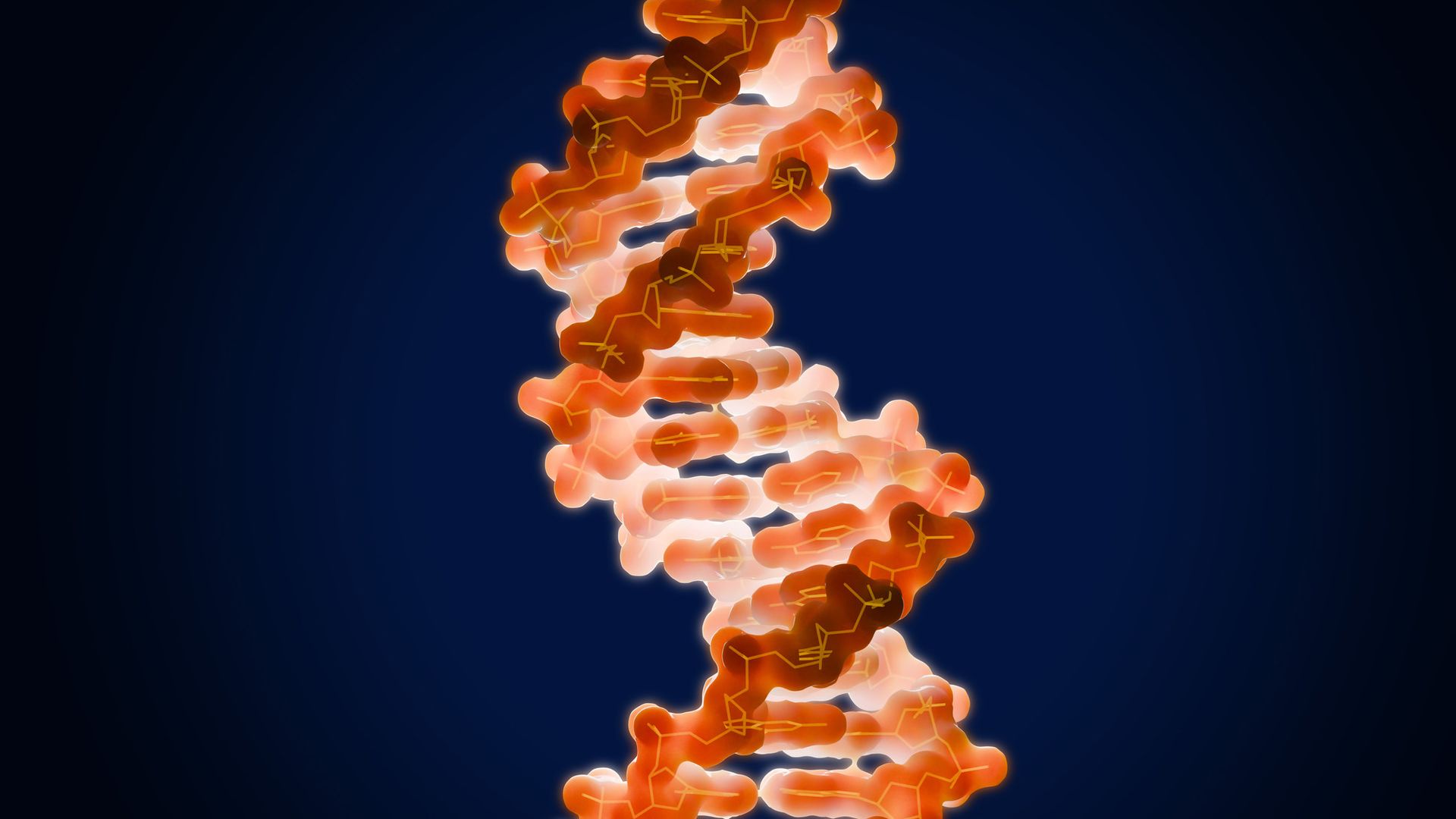
Brains of people with PTSD have unique epigenetic marks, study finds
The brains of people with PTSD bear molecular changes that differ from those in people with other conditions, like depression, a new study finds.
Waterfall of fog spills over Mallorca cliffs in stunning winning image for Weather Photographer of the Year 2026
A spectacular sea of fog, a perfectly formed rainbow and dramatic lightning strikes feature among this year's winning photographs for Weather Photographer of the Year 2026.

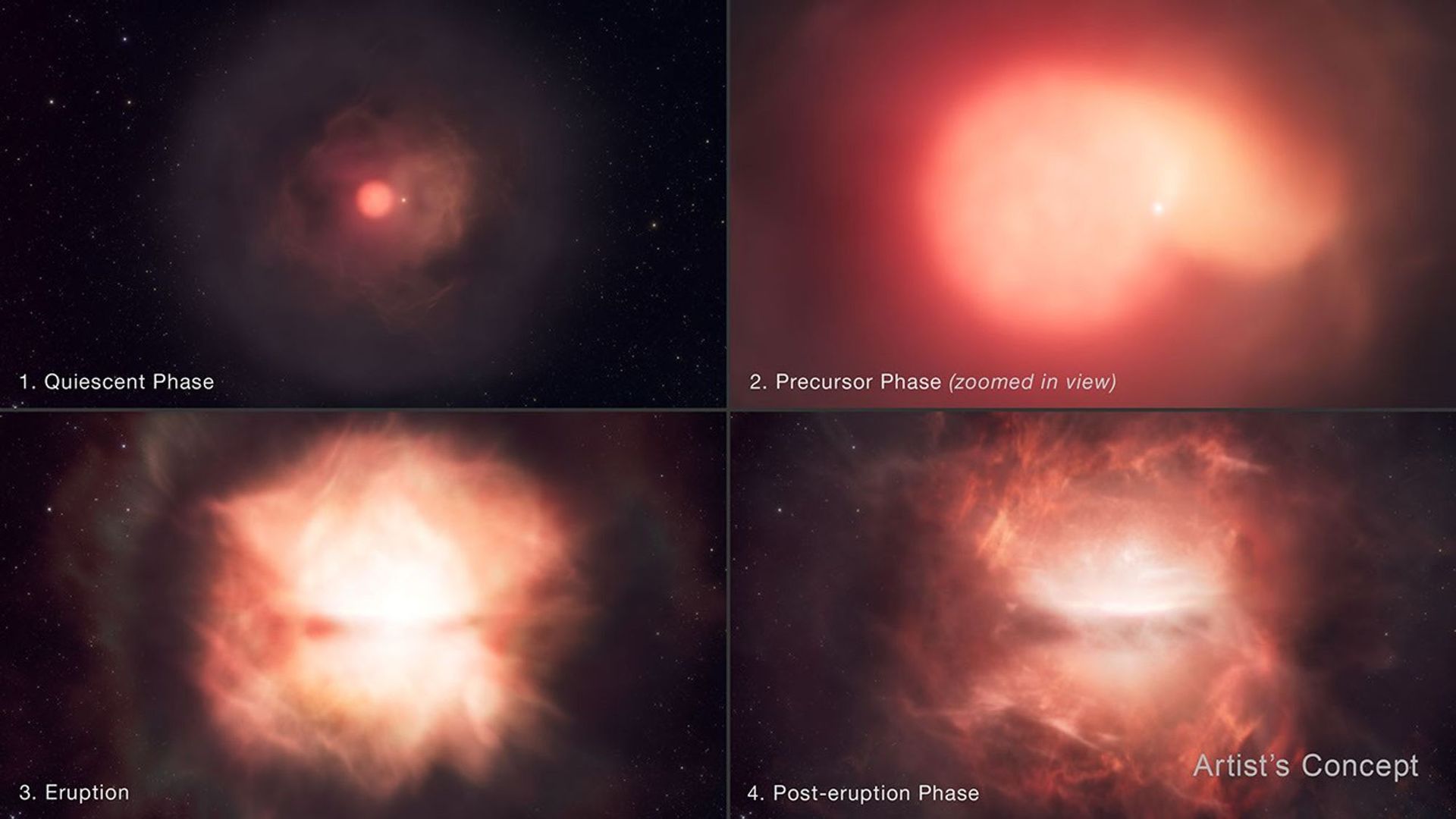
James Webb telescope spots giant star swallowing its companion in first-ever observations of a stellar merger
Astronomers using the James Webb Space Telescope followed up on years-old observations to confirm the first recorded act of a giant star swallowing its companion. The stellar cannibalism occurred jus.
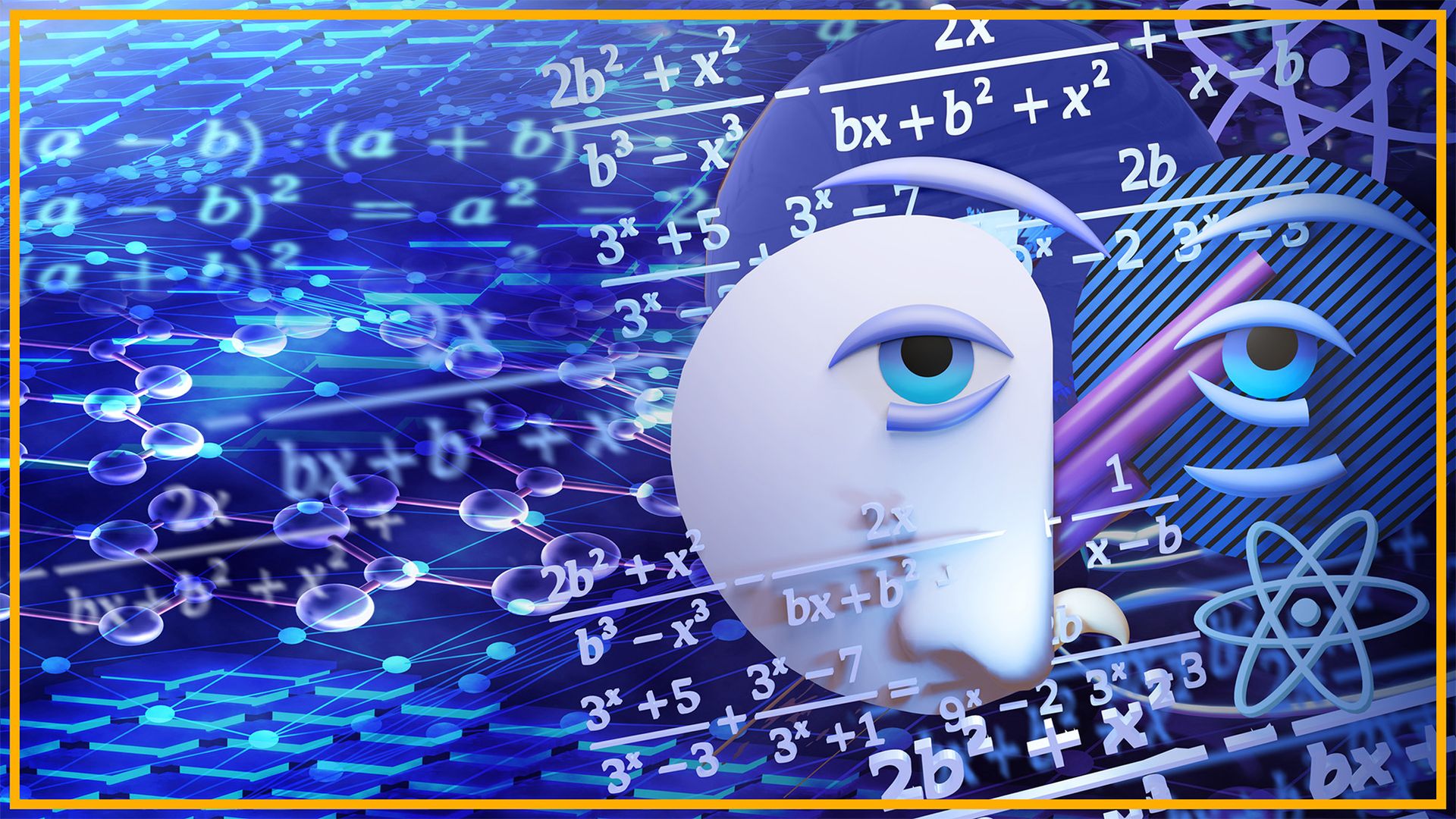
An Anthropic mathematician claims to have proven the Riemann hypothesis. We have to rethink how we reward expertise.
AI has upended the math community with a flood of results. We have to rethink how we assess which questions and answers matter — putting humans back at the center.
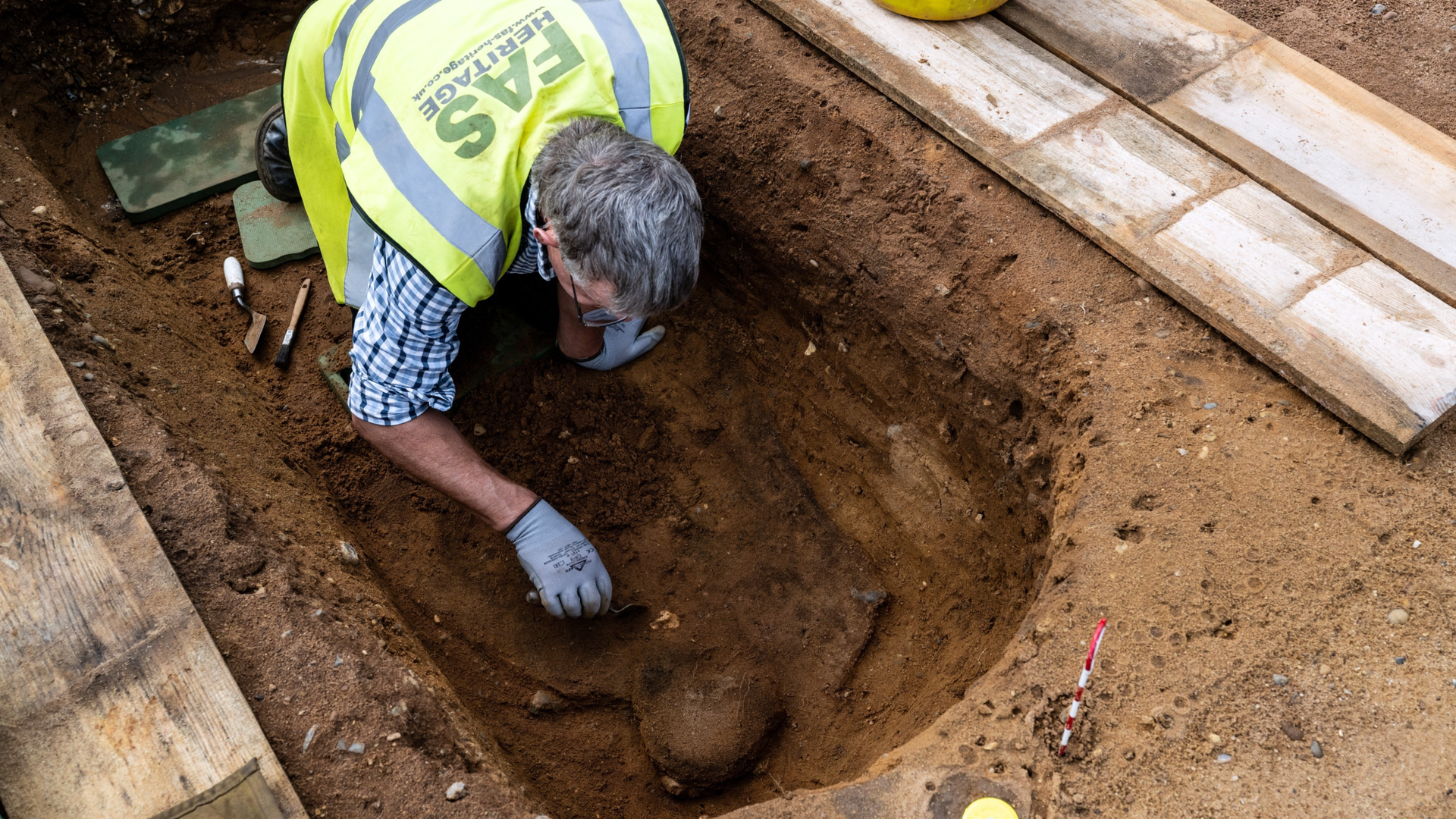
Ghostly 'sand body' double burial unearthed at Sutton Hoo
During a month-long excavation with the documentary series "Time Team," archaeologists unearthed another mysterious "sand body" at Sutton Hoo.
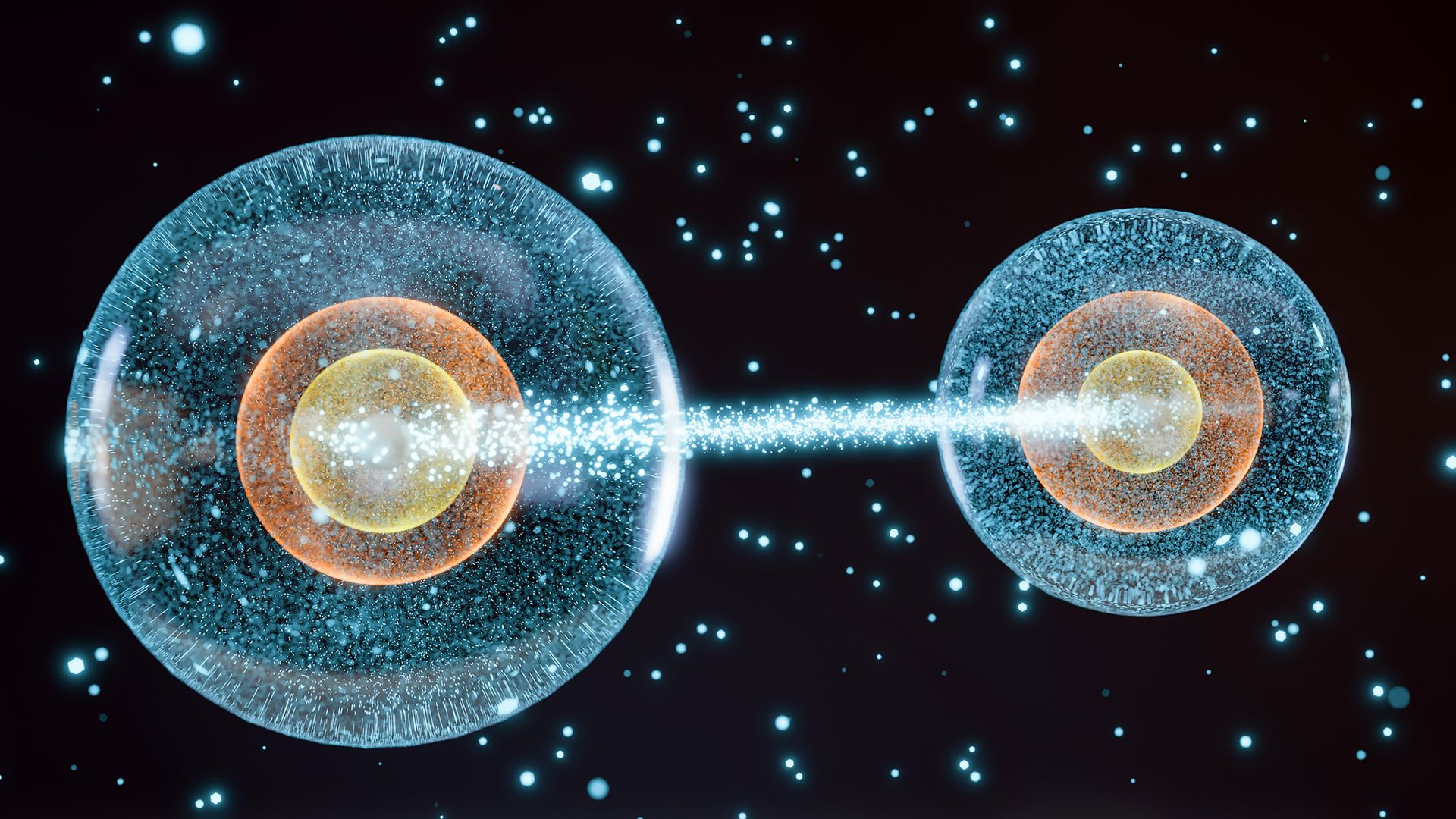
Quantum entanglement could thwart hackers and scammers, physicists reveal
In a first-of-its-kind experiment, physicists used pairs of entangled photons to verify a person's location. That's a step toward anchoring digital security to the physical world.
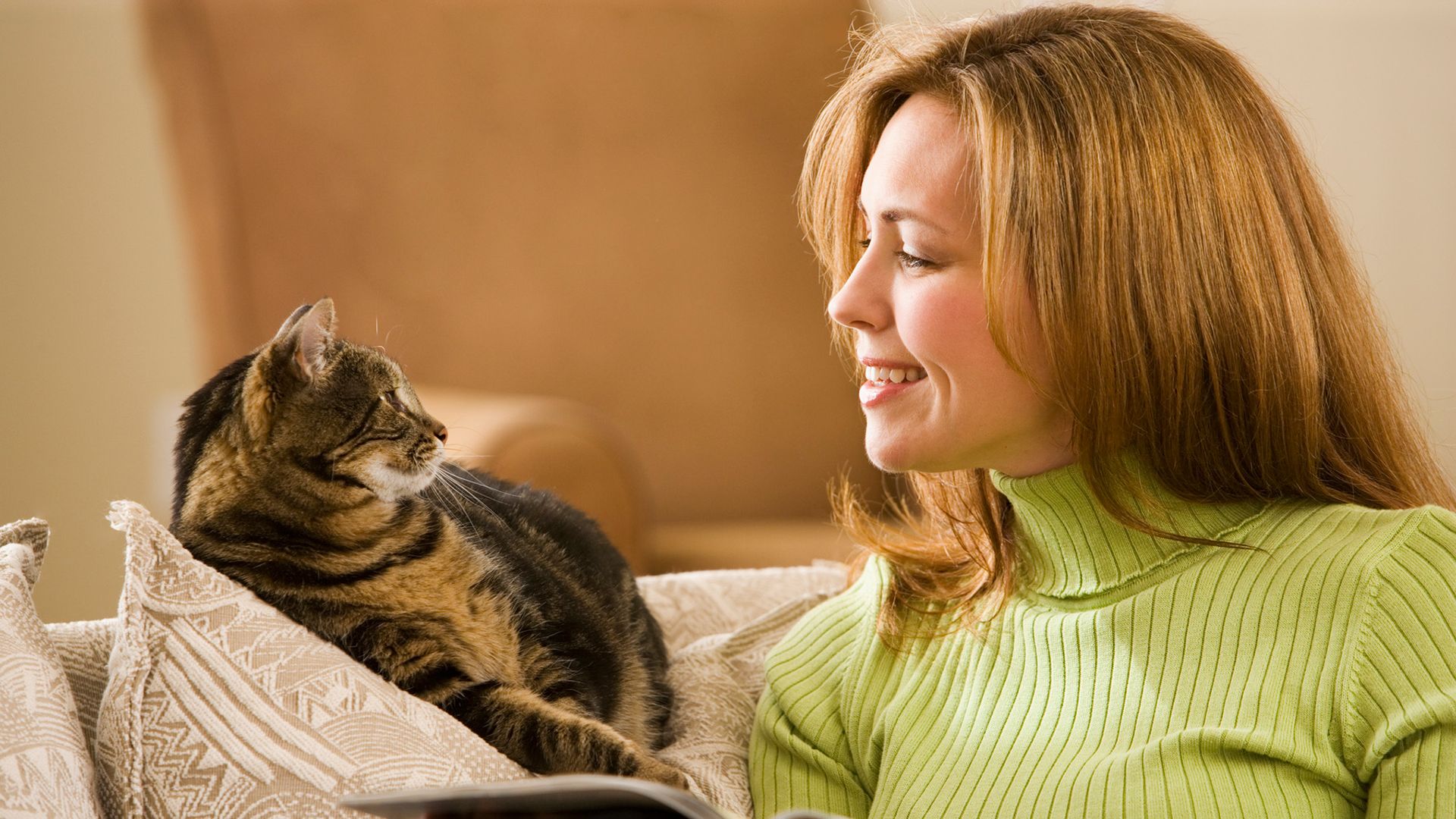
'I would want to know my horse's backstory': Live Science readers share which animals they'd want to speak with
Recently, Live Science asked its readers which animal they'd want to communicate with, based on a new study that leveraged AI to decode different vocalizations of zebra finches.
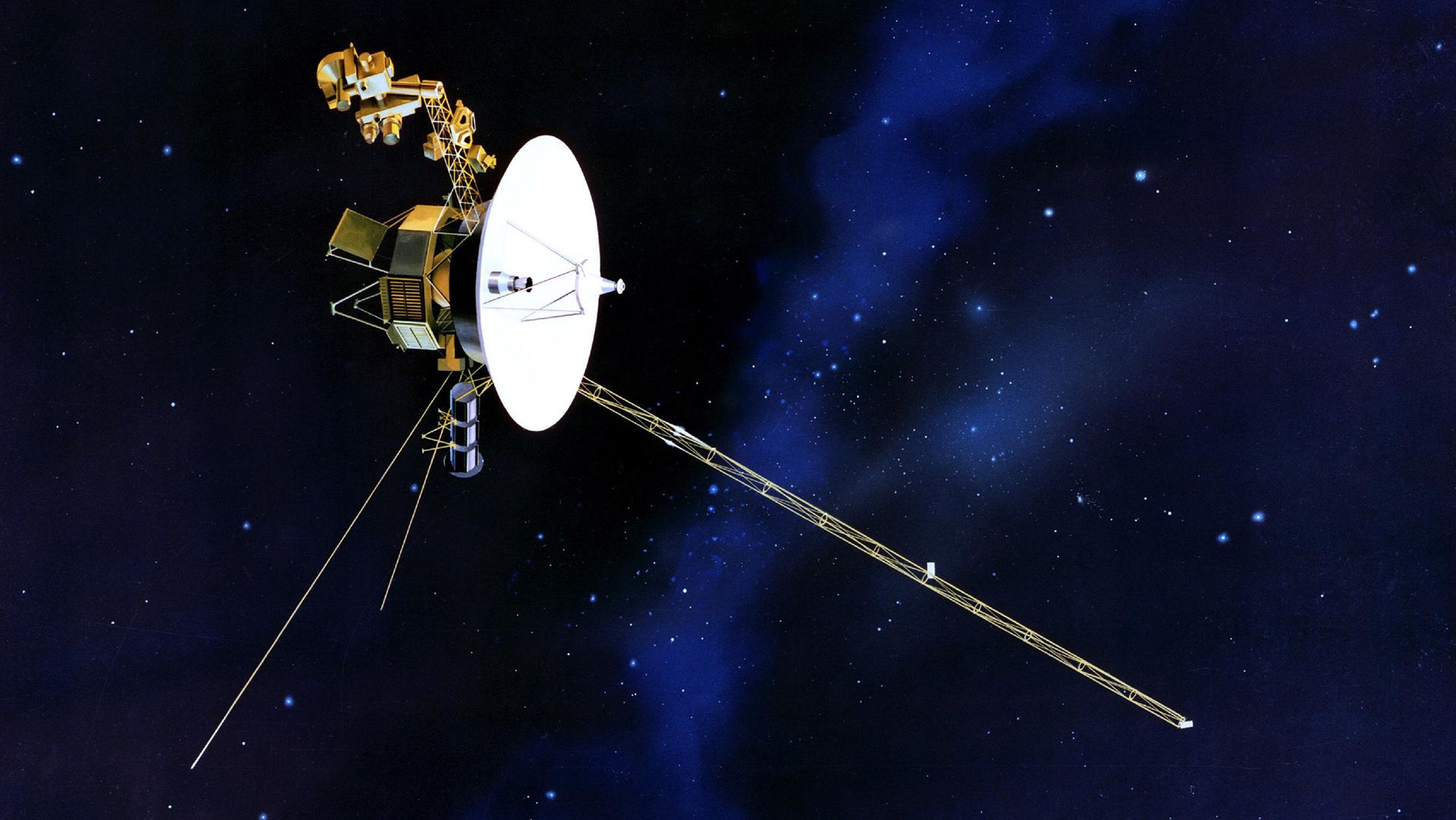
Voyager 1 stops sending science data ahead of its light-day milestone — but NASA has a plan
NASA's Voyager 1 spacecraft just reached 1 light-day from our planet, but a newfound glitch in the probe's onboard computer is preventing it from sharing science data with Earth.
New study rewrites the role of a major speech hub in the brain
Wernicke's area was thought to be mostly linked to understanding speech. A landmark new study has something more to say.
The immune system 'remembers' germs by tweaking its epigenetics, study shows
A new study helps explain how the immune system's first line of defense stays ready to fight off germs and diseases.
Watch fascinating science documentaries on Paramount+ for just $2.99 a month thanks to this early Black Friday deal
Get access to over 200 documentary series on Paramount+ for a bargain price.
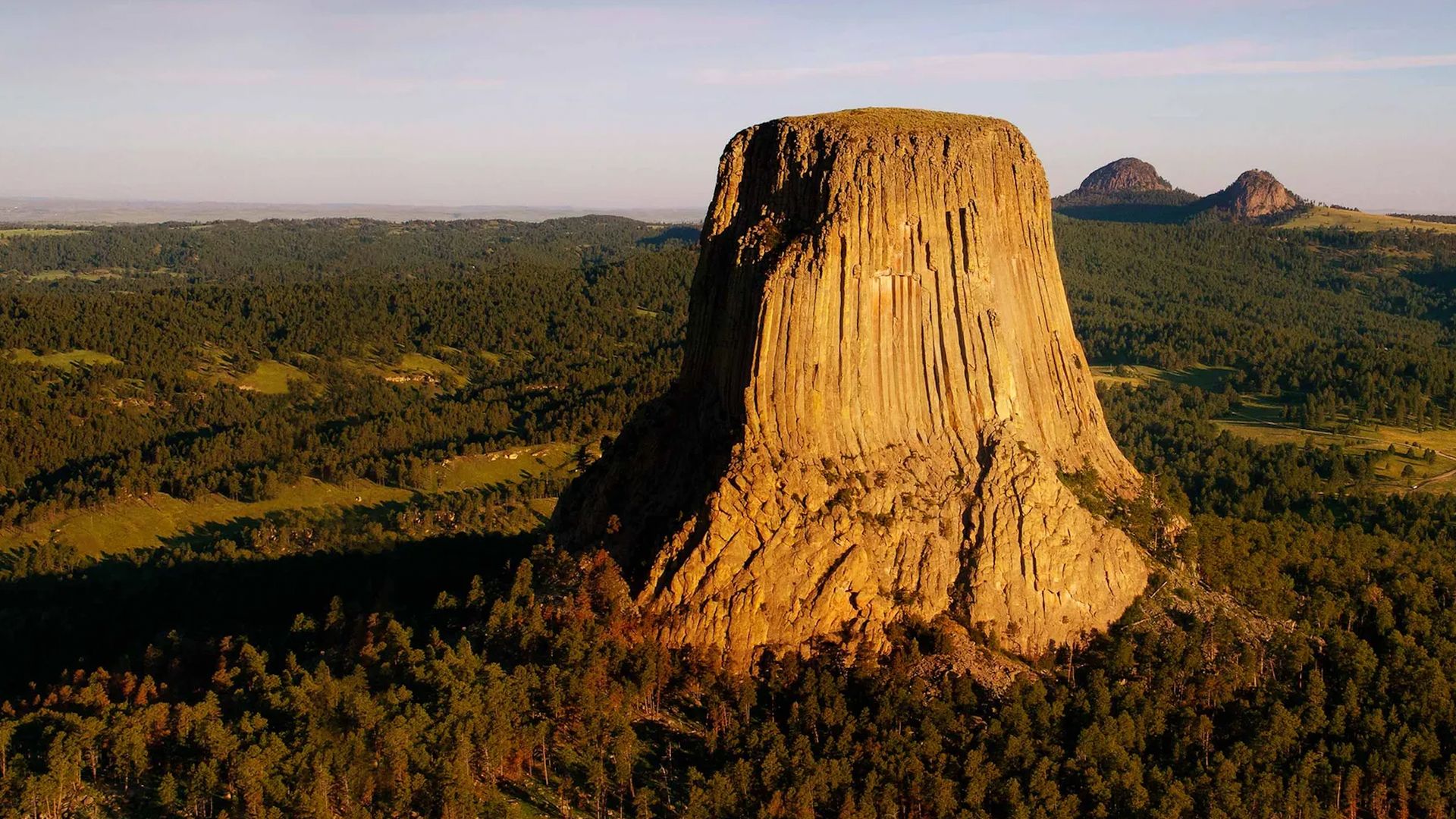
Rare swarm of asteroids from the solar system’s youth found trailing Neptune around the sun
Astronomers have found two rare asteroids trailing Neptune in Vera C. Rubin Observatory data. The rocks, called Neptune's L5 Trojans, could illuminate the conditions of the infant solar system.
Dinosaur quiz: Can you name these 12 dinosaurs?
Can you name all 12 dinosaurs in this science quiz?
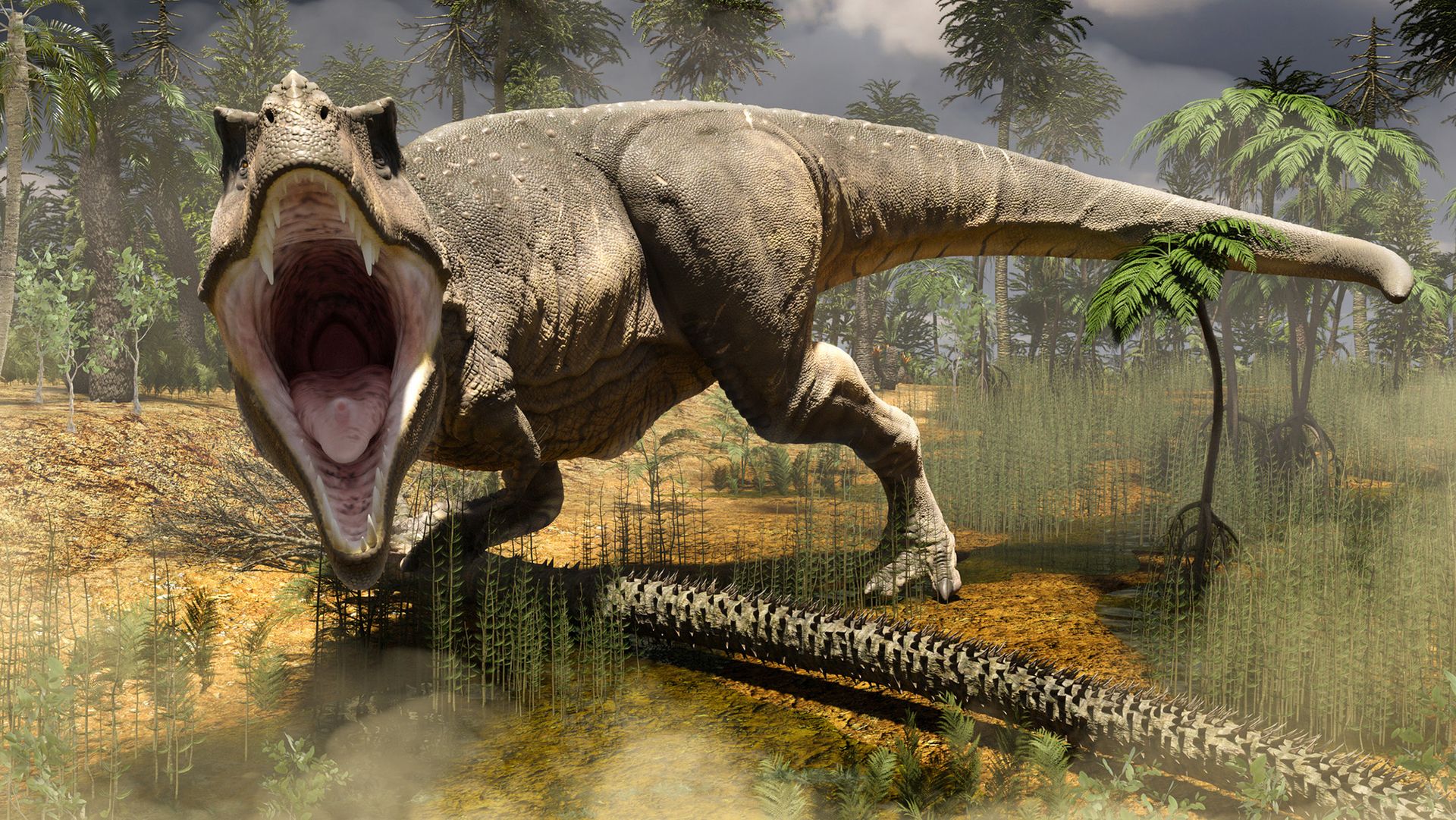
What if space and time don’t exist? Physicists are chasing hints that our reality emerges from something deeper
Space and time seem like the bedrock of reality. But startling clues are leading physicists toward the possibility that something stranger lies beneath.
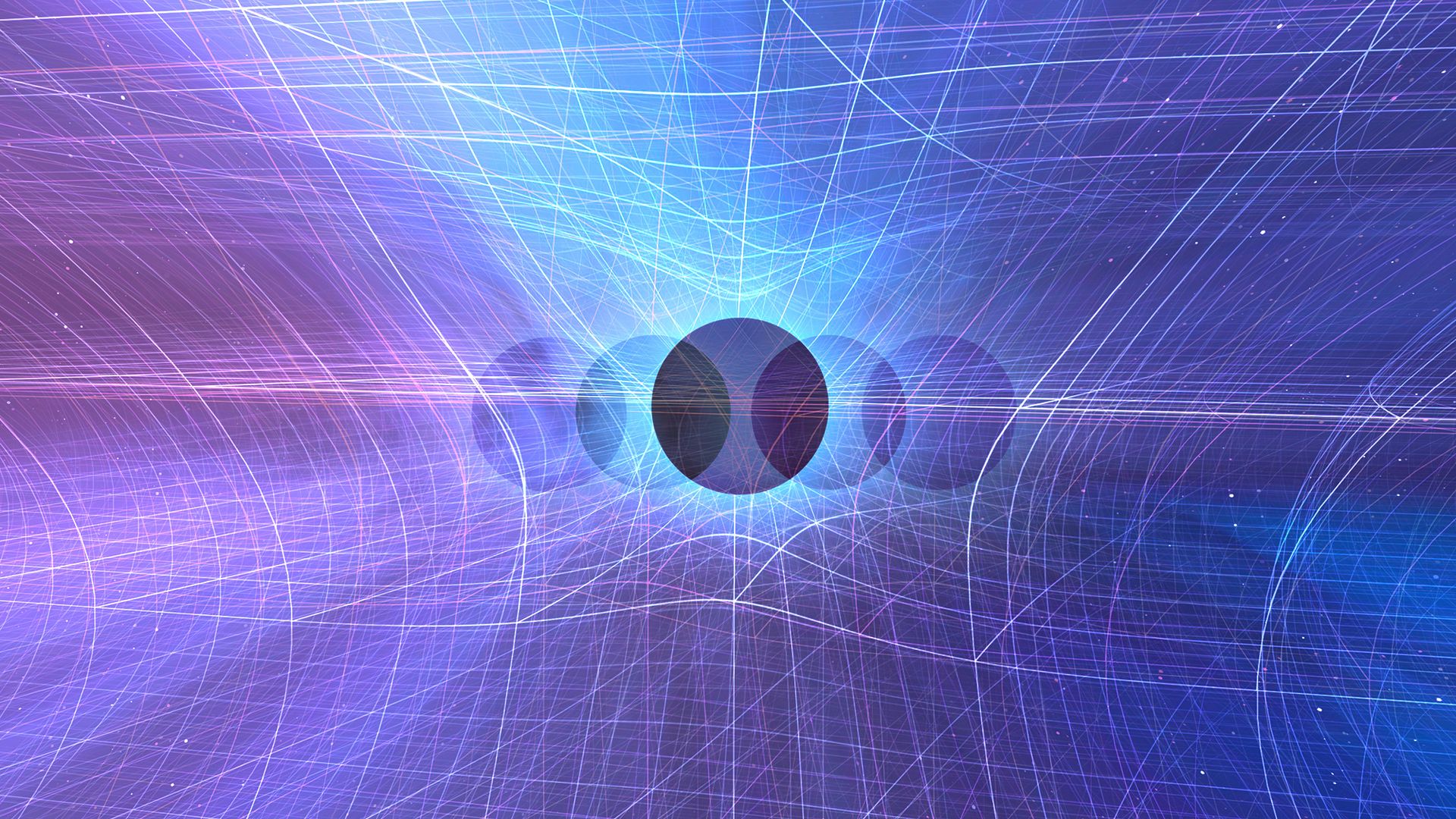
Voyager 1's light-day milestone: See the photos behind the discoveries
On Wednesday (Nov. 18), NASA's Voyager 1 spacecraft became the first human-made object to reach one light-day from Earth. Here, we look back at its most important discoveries, seen through groundbrea.
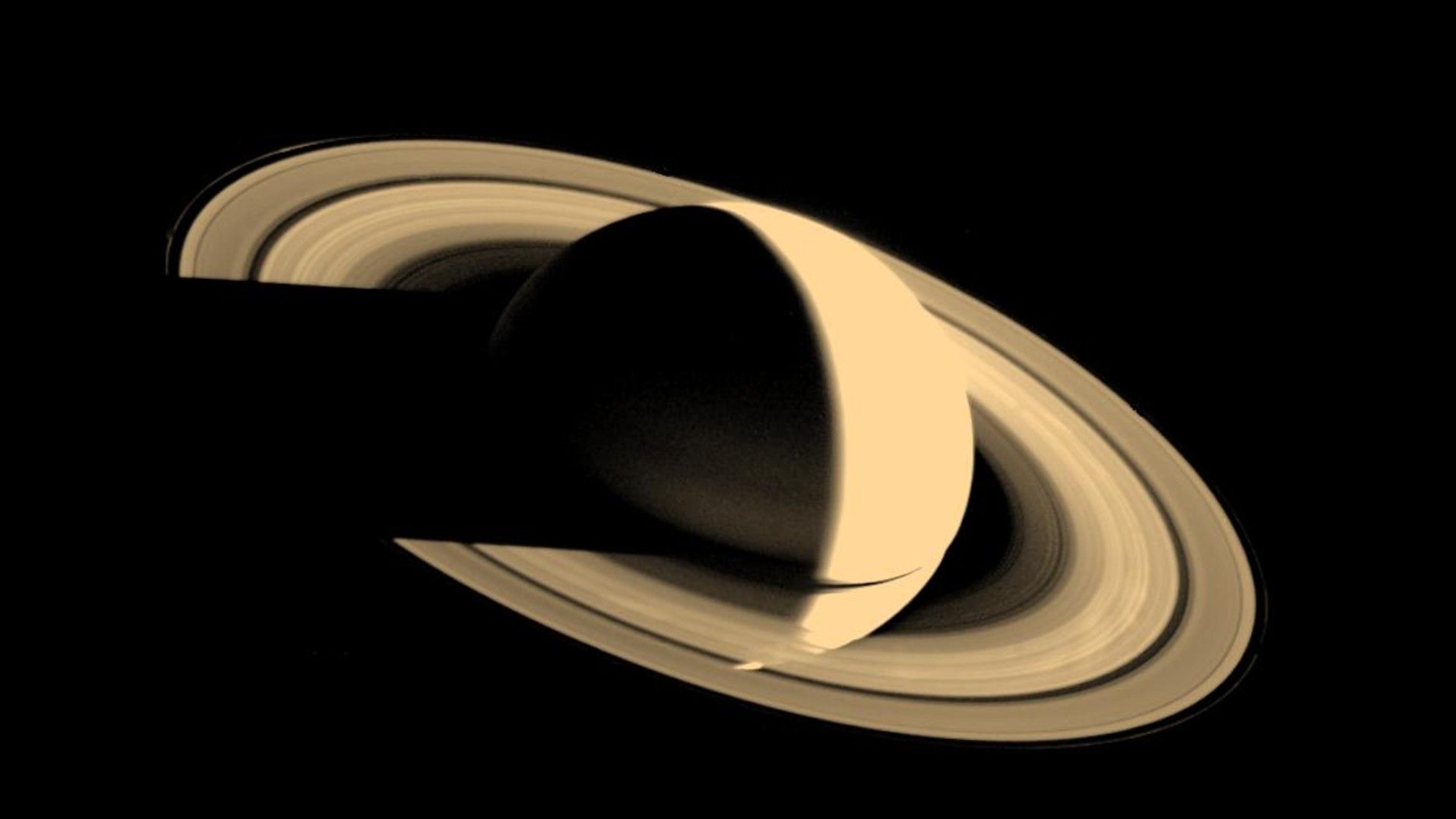
Neanderthal genes linked to lower risk of schizophrenia in modern humans
Researchers have zeroed in on a genetic variant in the human brain that came from Neanderthals, and it might protect us from schizophrenia.
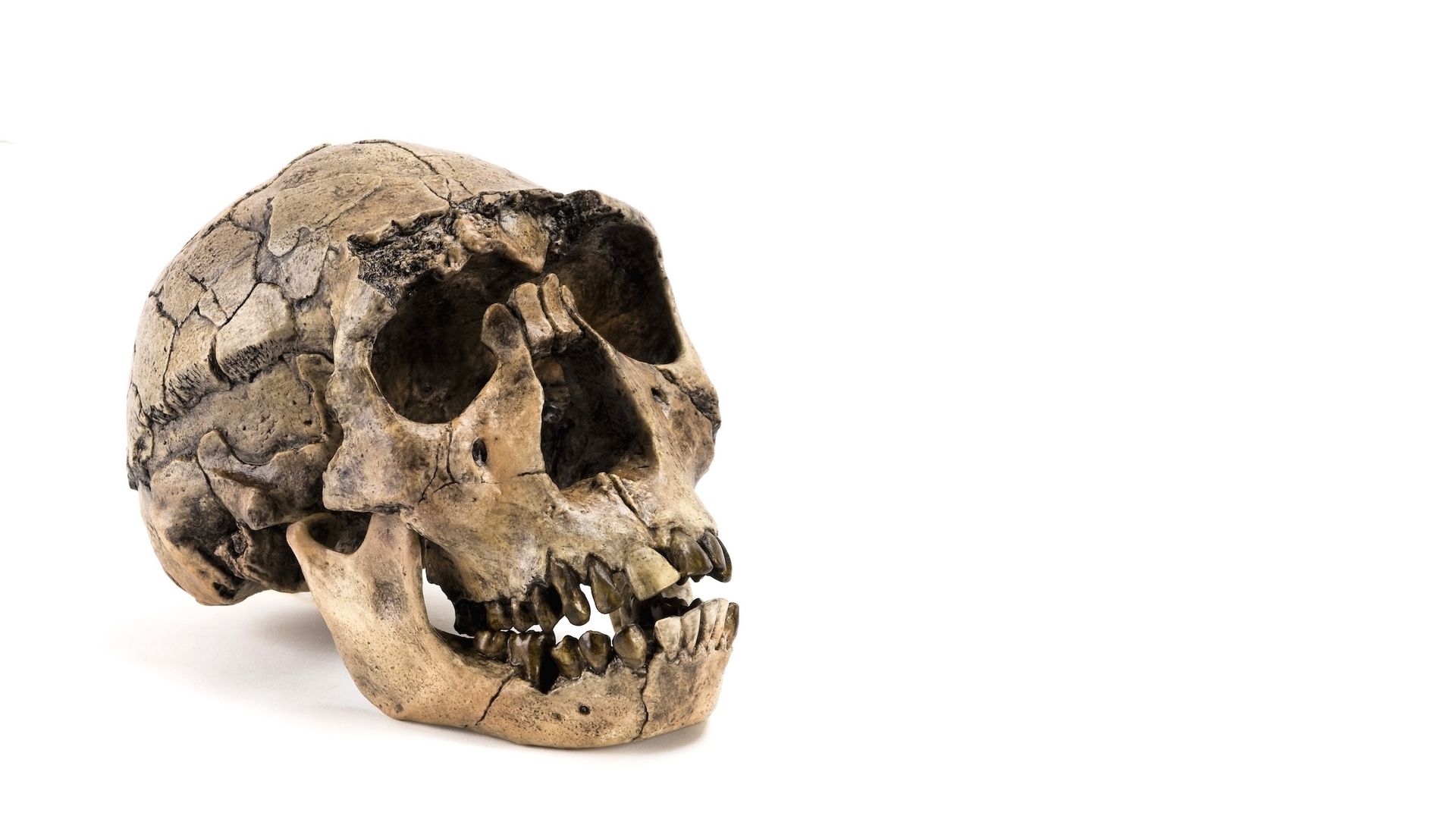
Homo erectus and Denisovans may have lived alongside each other in China, study suggests
Fossil teeth from two caves in southern China are revealing that at least two lineages of early humans were present in the region around 184,000 years ago.
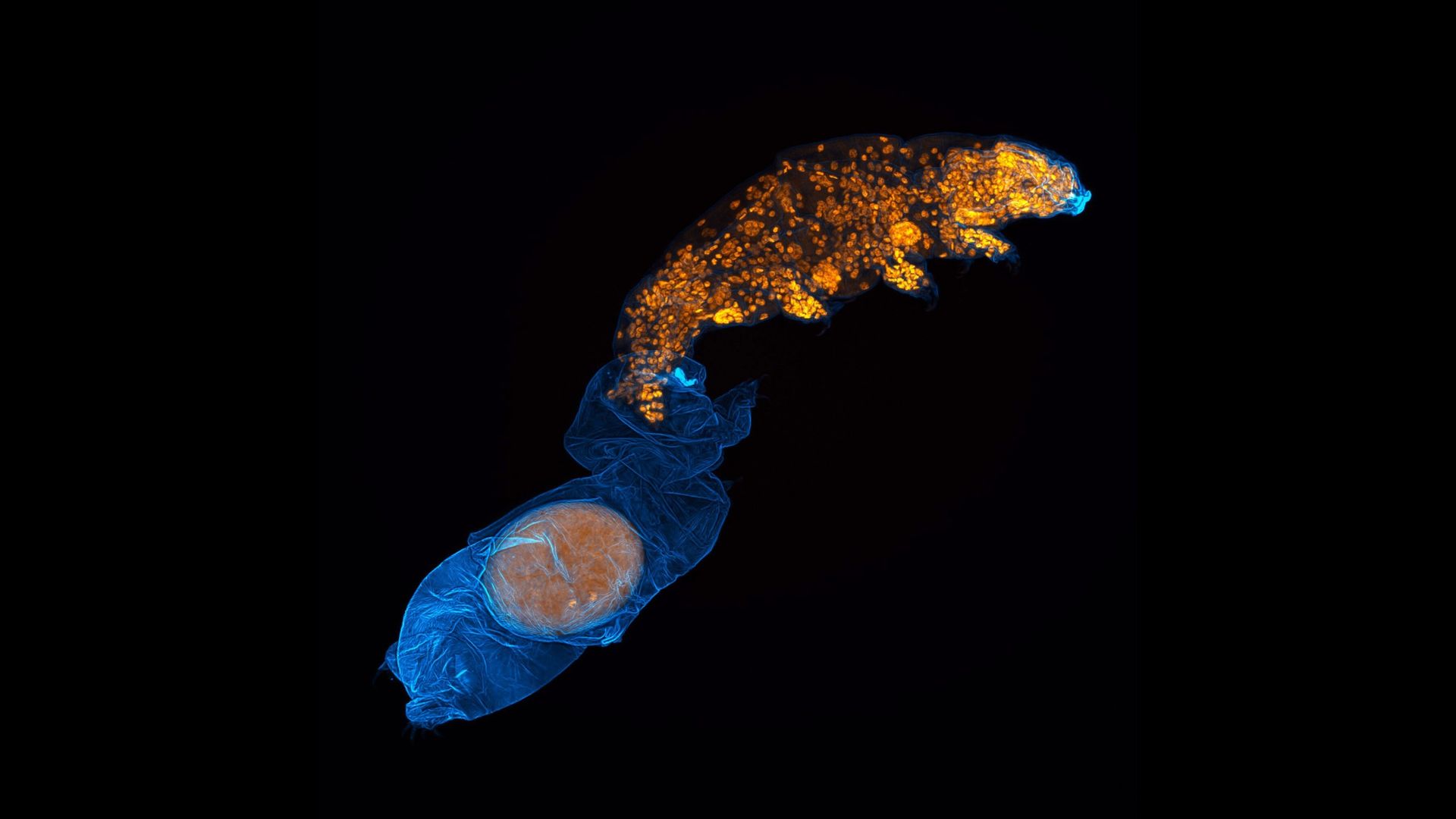
Striking photo shows tardigrade laying egg in its discarded skin — 'incredibly beautiful and unexpected'
Biologist Gonzalo Quiroga-Artigas lifts the lid on the secret life of tardigrades in stunning detail for the Nikon Small World photography awards.
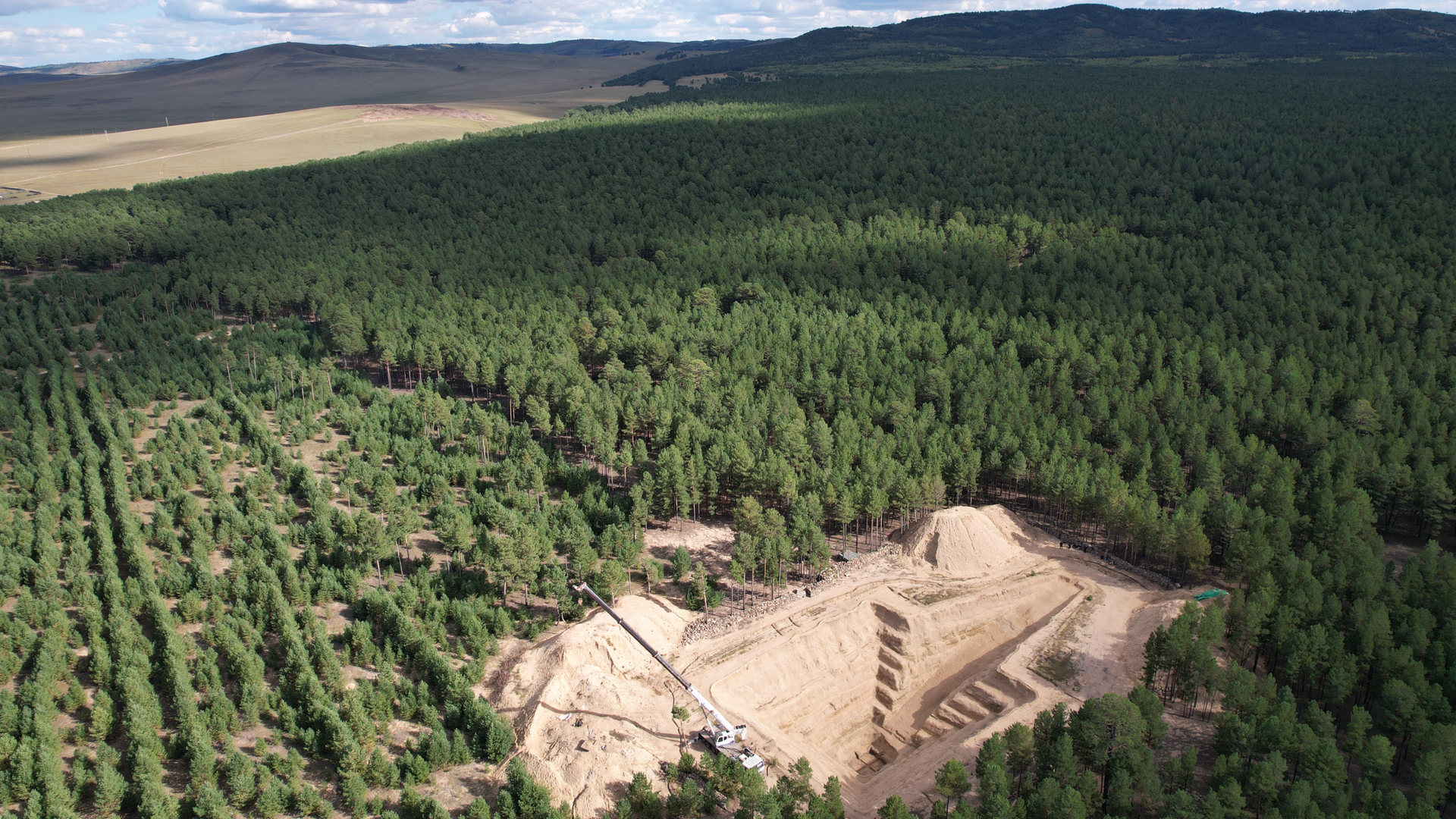
2,000-year-old tomb of an elite nomad in Mongolia contained a Roman glass cup and Han-dynasty-inspired jade decorations
A 2,000-year-old tomb was discovered in an elite burial ground of the Xiongnu, some of whom were the ancestors of the Huns.
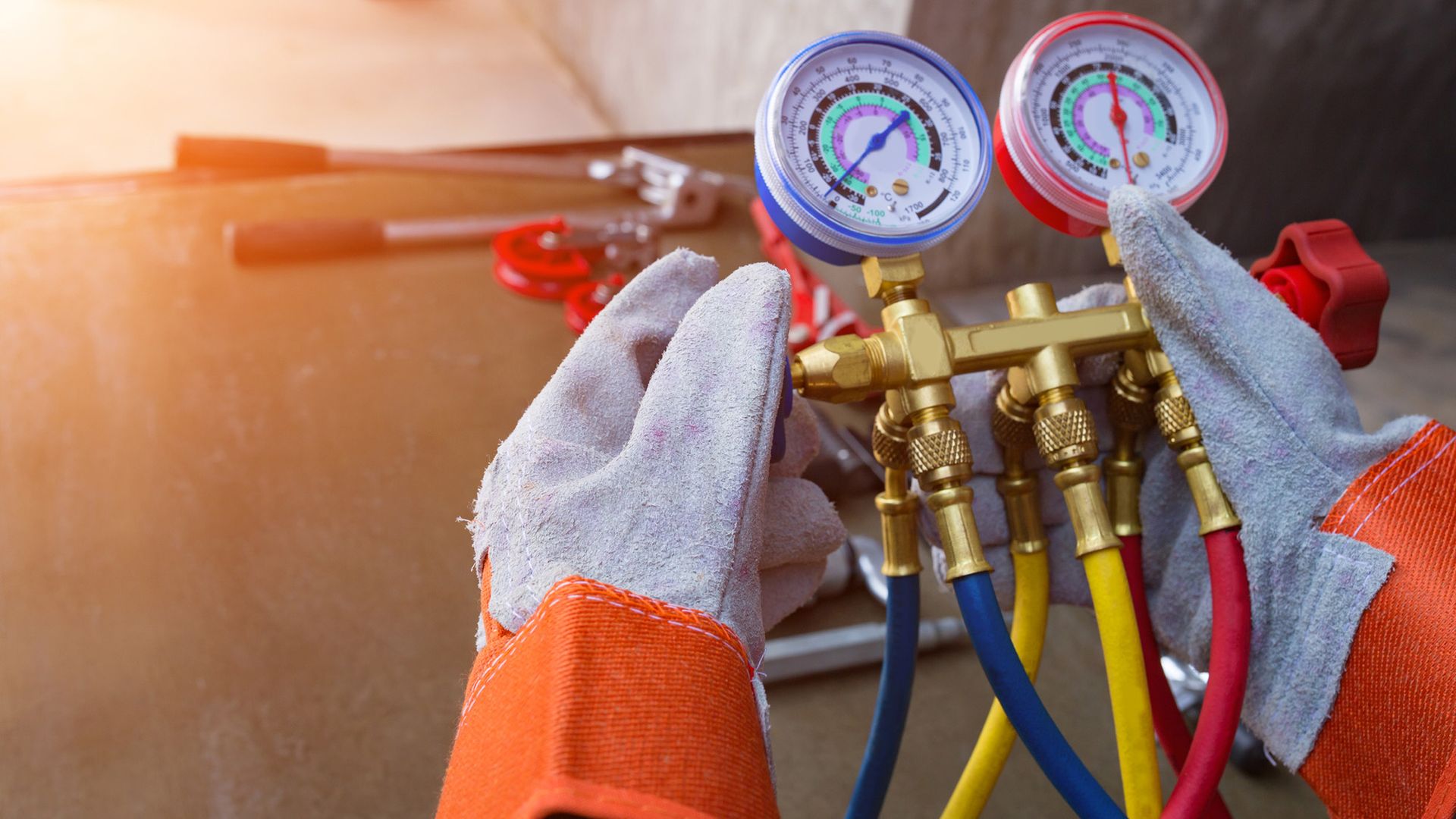
Man's 'silly experiment' at work led to a fatal 'rectal explosion'
A factory worker experimented with a pressurized air system while on the job, and it resulted in a fatal injury.
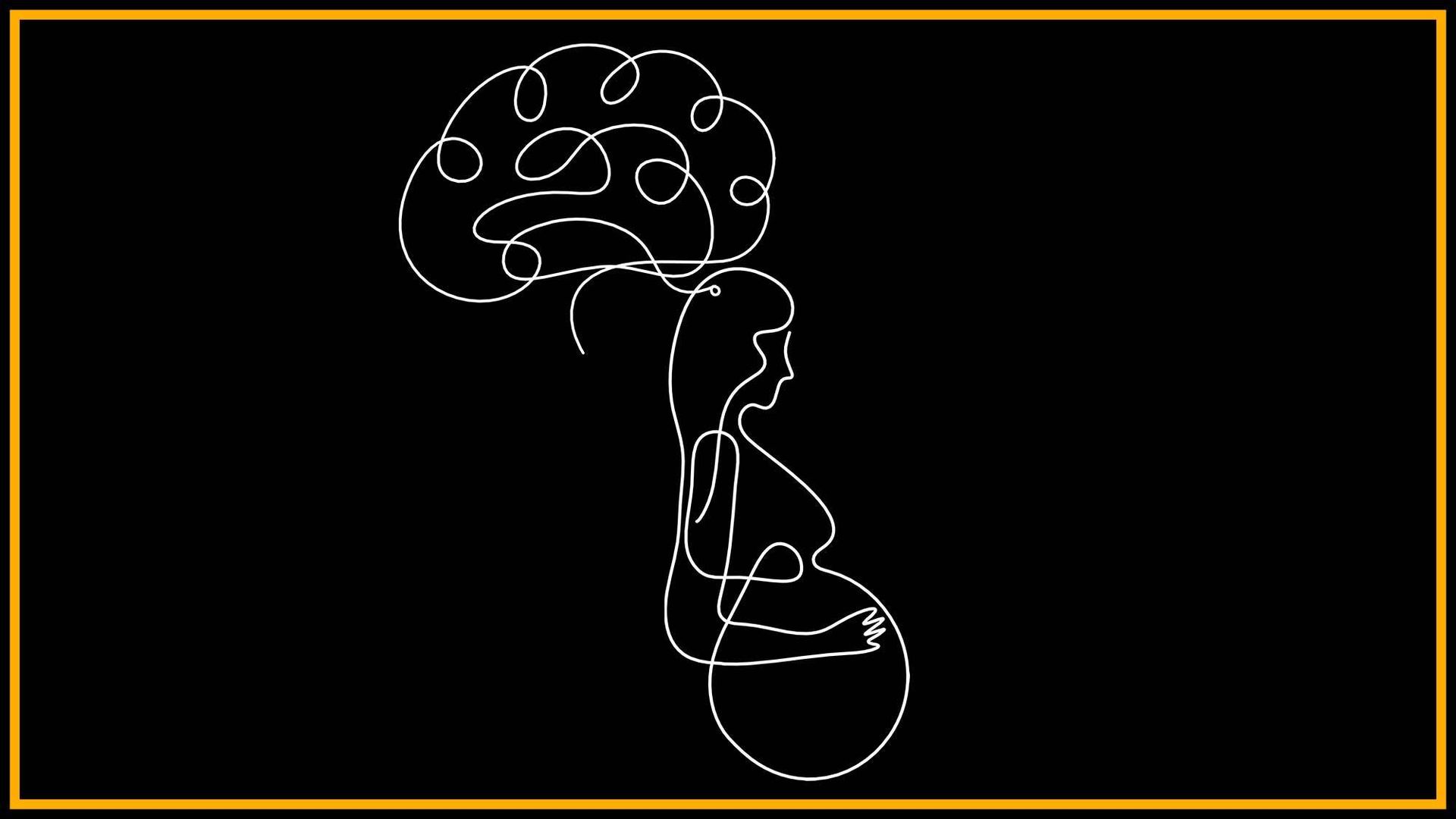
For centuries, we drew the pregnant body without a head. Now we need to fill in what we left blank.
We need to understand how motherhood changes the brain, says neuroscientist Susana Carmona.
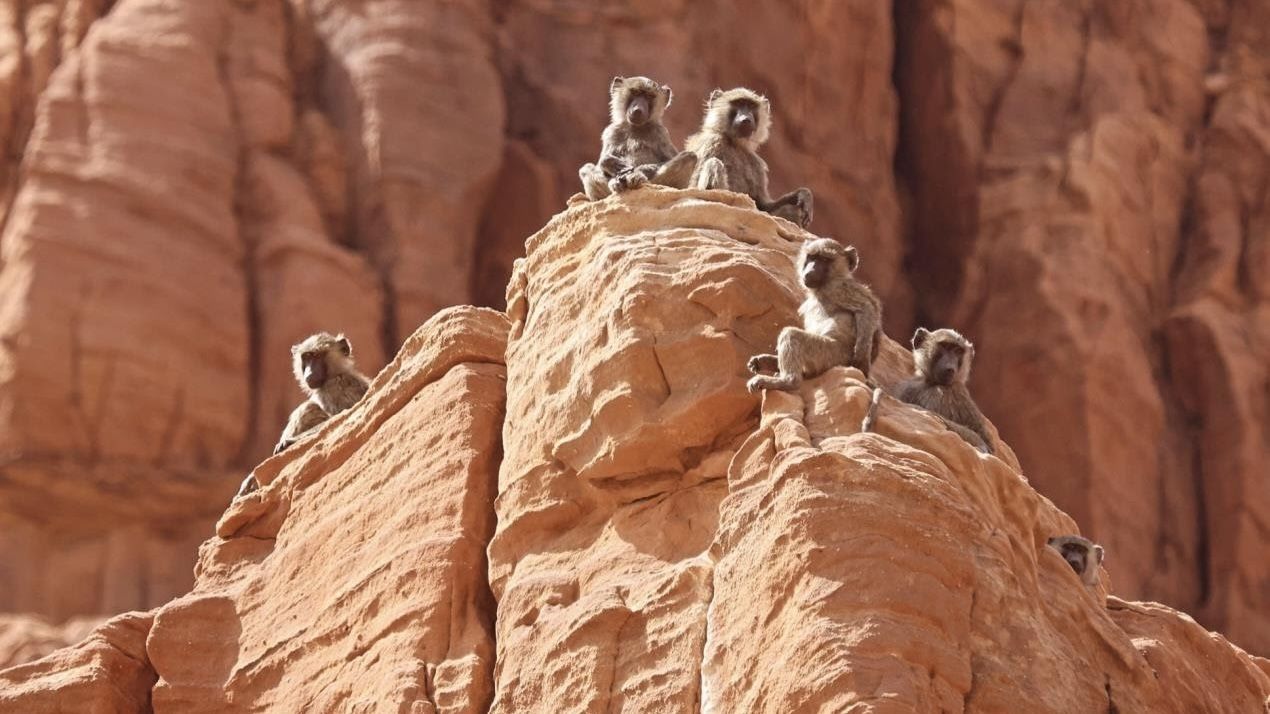
Eagles hunt baboons weighing up to 60 pounds, raising questions about whether birds of prey hunted ancient humans
Eagles appear to be hunting and killing adult baboons, study finds. Does that mean they could have hunted ancient human relatives?
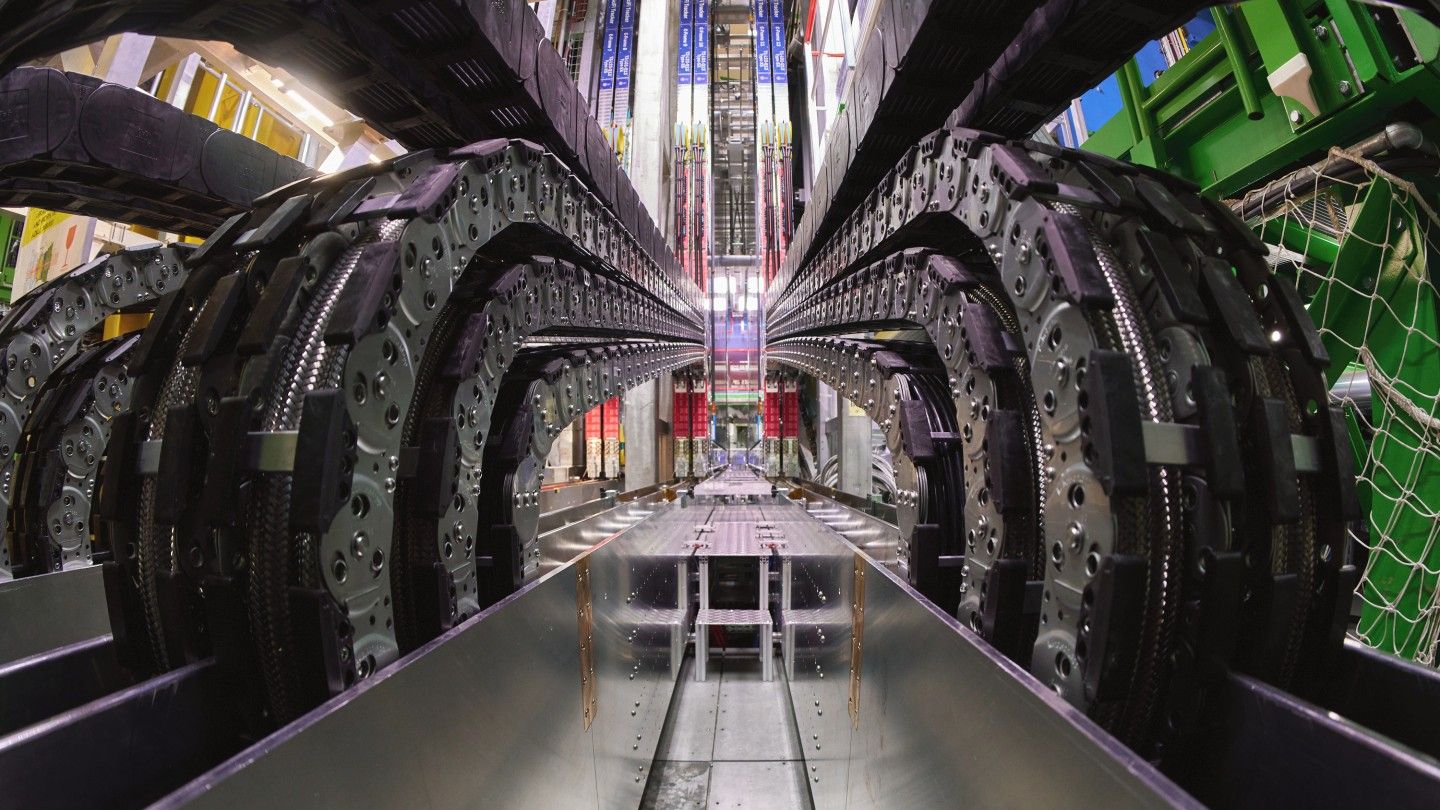
CERN physicists measure the universe at the smallest scale ever: enter the 'zeptoverse'
Physicists at the Large Hadron Collider have detected a rare, 1-in-10-billion particle interaction that opens a view into the 'zeptoverse,' the smallest distance scale ever measured.
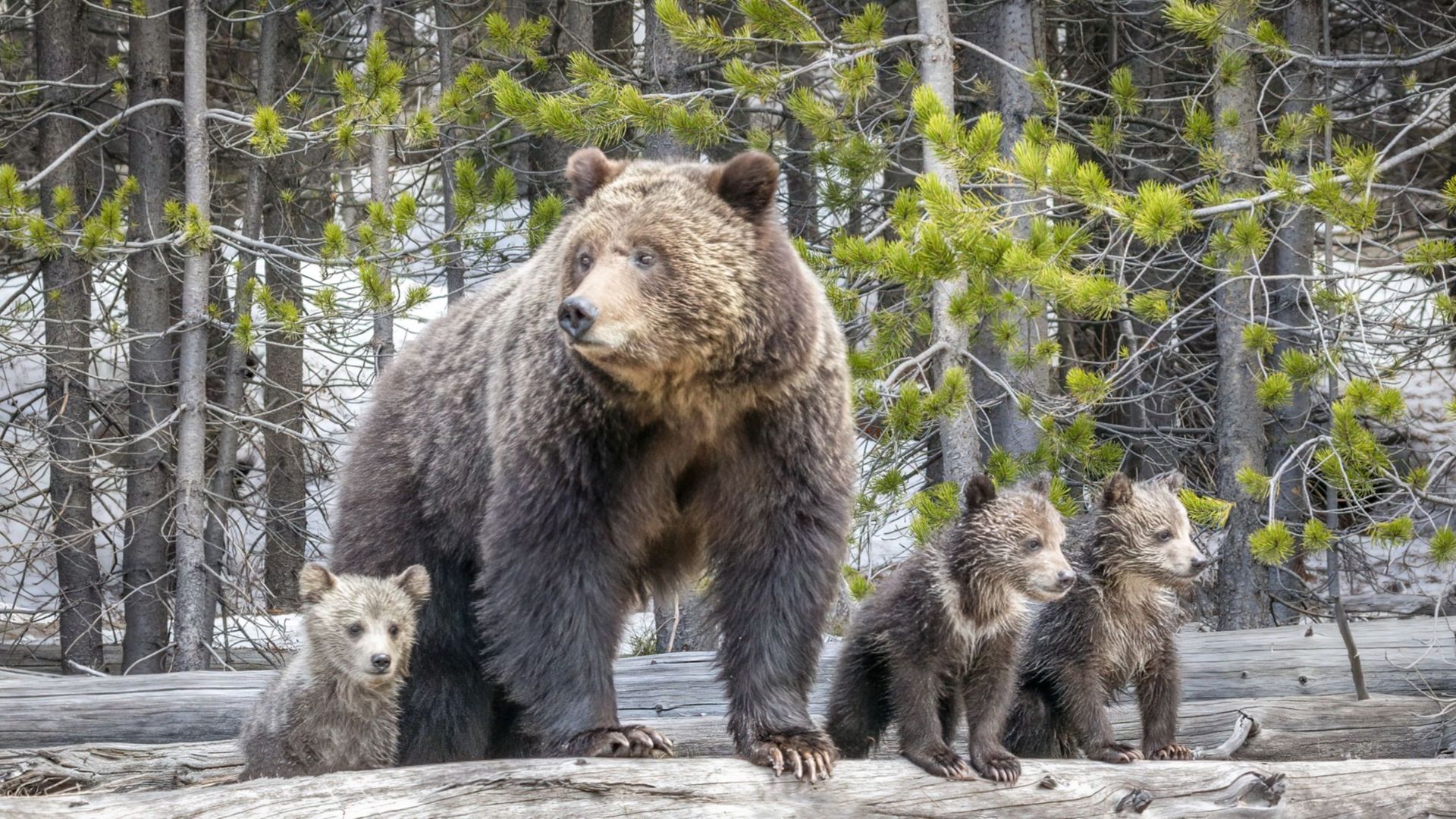
Grizzlies could thrive in California — so why aren’t we reintroducing them?
In this excerpt from "Start With a Bear," author and environmental historian Peter S. Alagona looks at the models used to develop the U.S. grizzly bear recovery program, and how California could make.
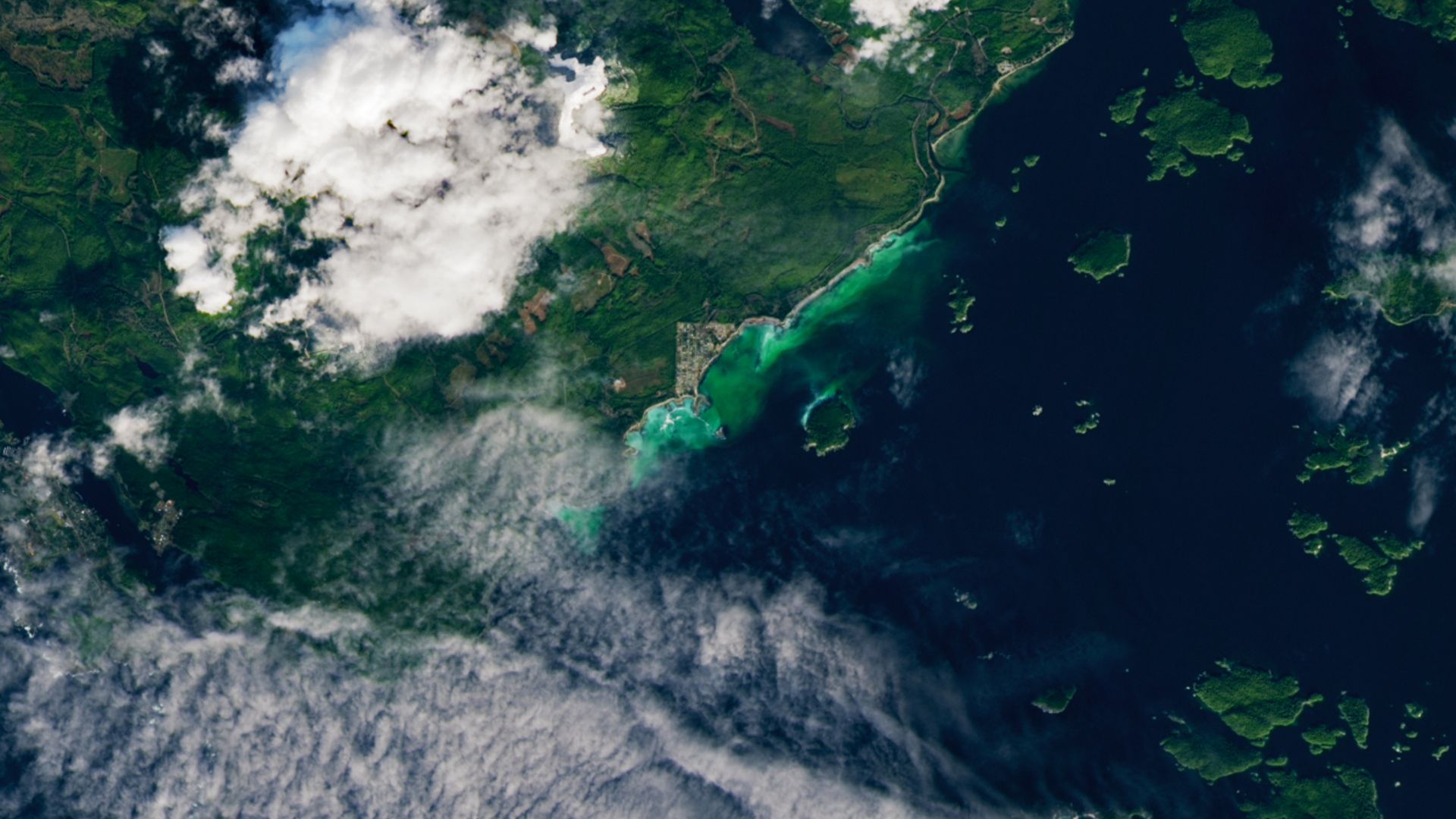
Giant cloud of fish sperm glows green along Canadian island’s coast
A recent satellite photo captured an underwater cloud of fish sperm, or milt, appearing to glow green during a Pacific herring spawning event at a reproductive "sweet spot" along the coast of Canada'.