Search recent news
Search headlines, publishers, and topics in Factum’s recent news index.
Only the past seven days are included in this beta.
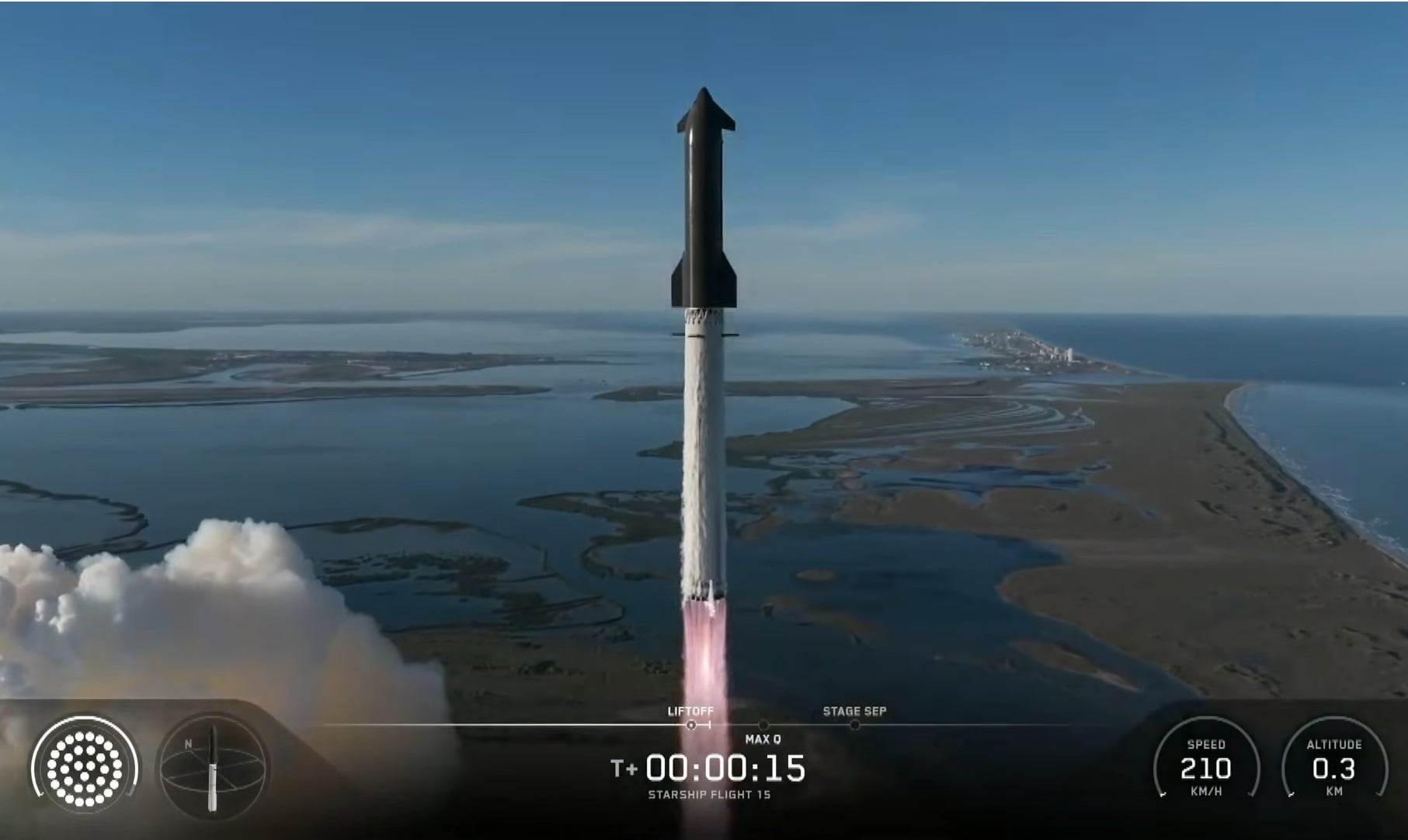
Earth's Atmosphere Took Three Deep Breaths of Oxygen Before the Oceans Caught Up
The accumulation of oxygen in Earth's atmosphere and oceans was a multi-stage process that played out over geologic timescales. Scientists have worked hard to understand all the details of this compl.
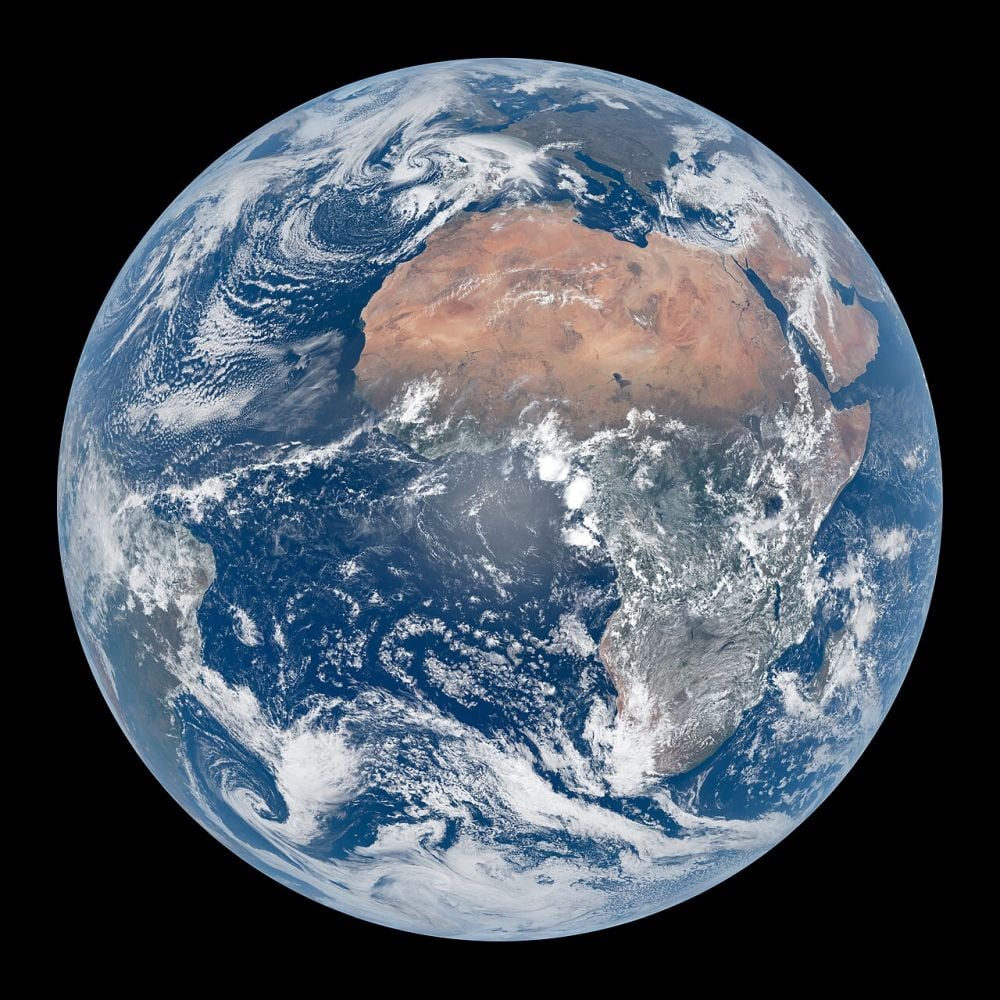
ESA's Hera Probe Uses "Superhuman" Vision to Inspect NASA's Asteroid Crash Site
Around four years ago, humanity intentionally hit an asteroid. The Double Asteroid Redirection Test (DART) was by pretty much all measures a resounding success when it struck the asteroid moonlet Dim.
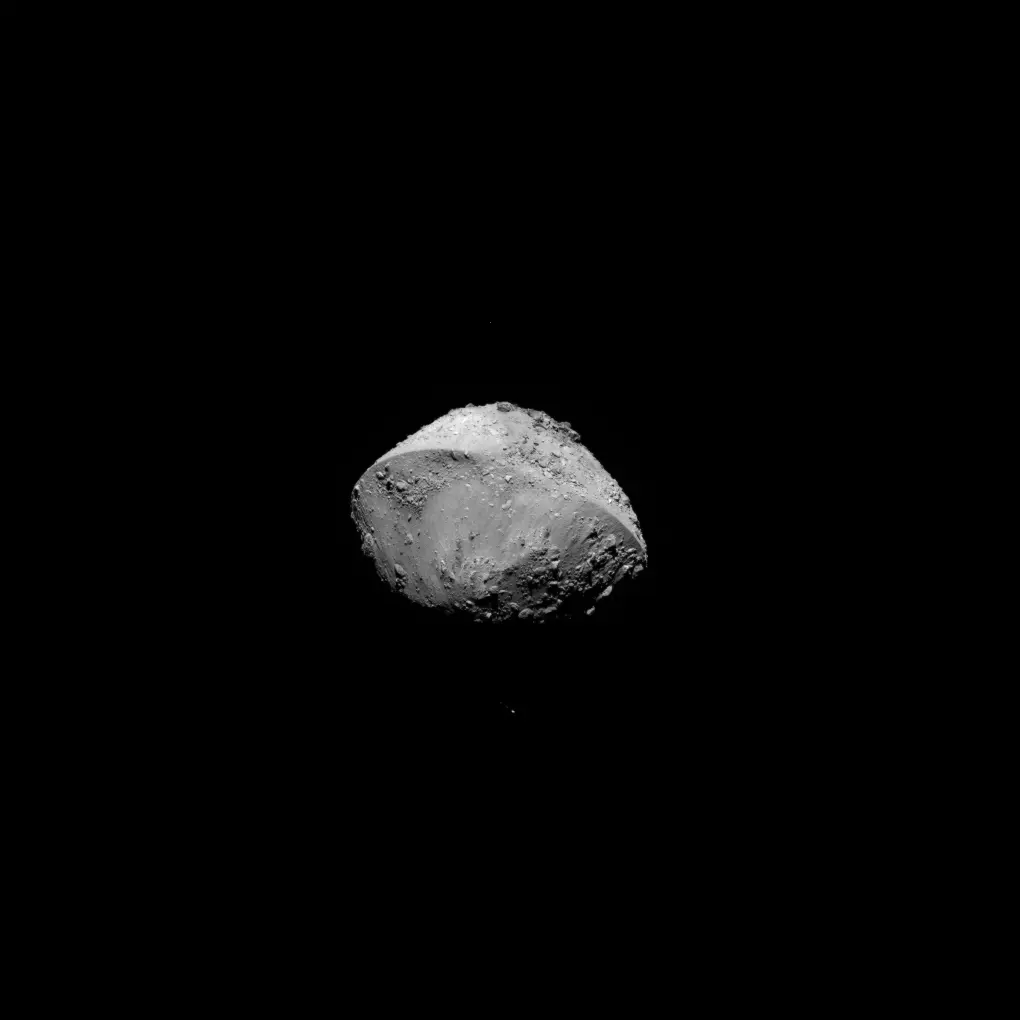
Euclid's Hunt for Strong Gravitational Lenses is Off to a Strong Start
Euclid was launched to build a 3D map of the sky to probe cosmic structure and the Universe's expansion. Part of its job is to hunt for strong gravitational lenses, important probes of dark matter. S.

Feast Your Eyes on Uranus at Opposition This Thanksgiving 2026
The outer planets are ever so slowly starting to sneak back into the evening sky this month. First, Saturn crossed this mark last month on October 4th, then Neptune followed suit on September 26th. N.
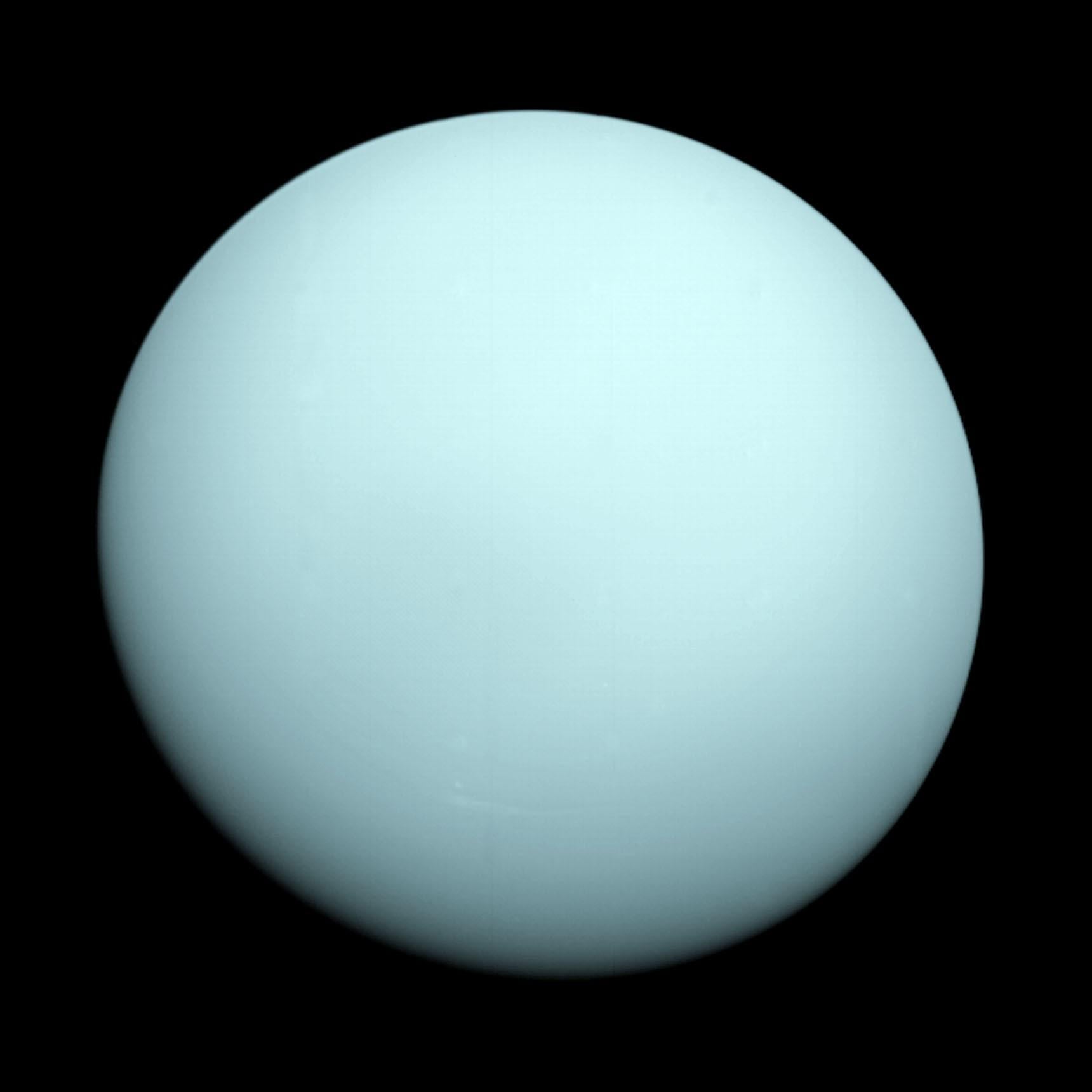
Reconstructing Cosmic History and Earth's Evolution From Cosmic Explosions
The European Research Council (ERC) announced the winners of its latest Advanced Grant competition. Among the awardees is Prof. Anton Wallner from the Helmholtz-Zentrum Dresden-Rossendorf (HZDR), who.
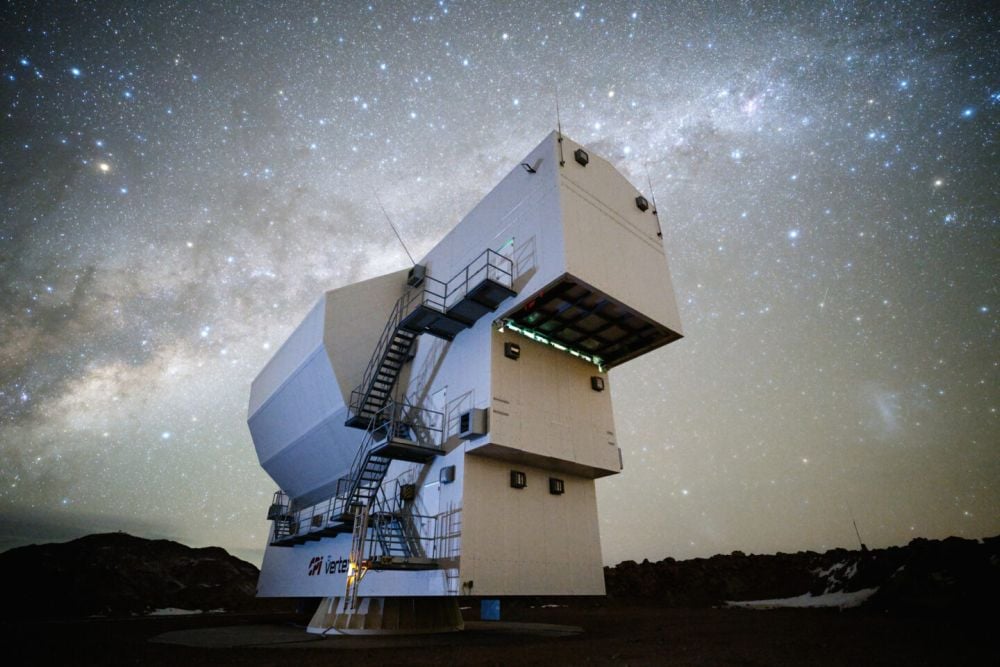
The Simons Observatory is Online and Surveying the Cosmic Microwave Background
The Simons Observatory is online and surveying the Cosmic Microwave Background (CMB) in greater detail than ever before. It's looking for tiny fluctuations in the CMB caused by primordial gravitation.
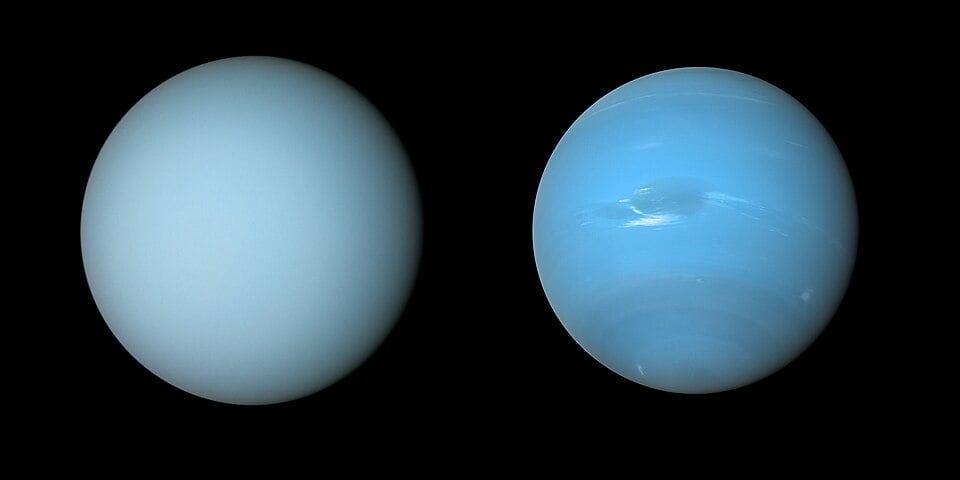
Are Uranus and Neptune Secretly "Rock Giants"? A Noble Gas Might Hold the Answer
For decades, astronomers have divided the planets in the outer solar system into two distinct camps. Jupiter and Saturn were the “gas giants” made up primarily of hydrogen and helium. Uranus and Nept.
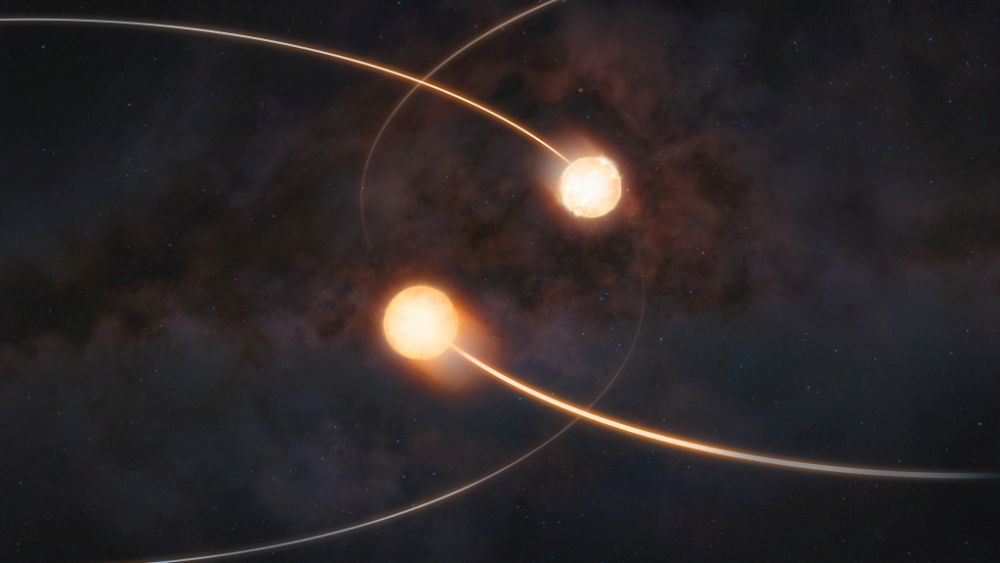
Extremely Accurate Measurements of a Pair of Flaring Red Dwarfs
Astronomers used the Very Large Baseline Array of radio telescopes to measure a pair of active red dwarfs with extreme precision. One of the stars is an extreme type of red dwarf called a Complex Per.
Fermi’s 14-Year All-Sky Map Bridges Astronomy’s Elusive "MeV Gap"
Gamma rays, the most high-energy type of electromagnetic radiation in the universe, have always had a blind spot. We’ve always had trouble measuring them in the “mega-electron volt” (MeV) energy rang.
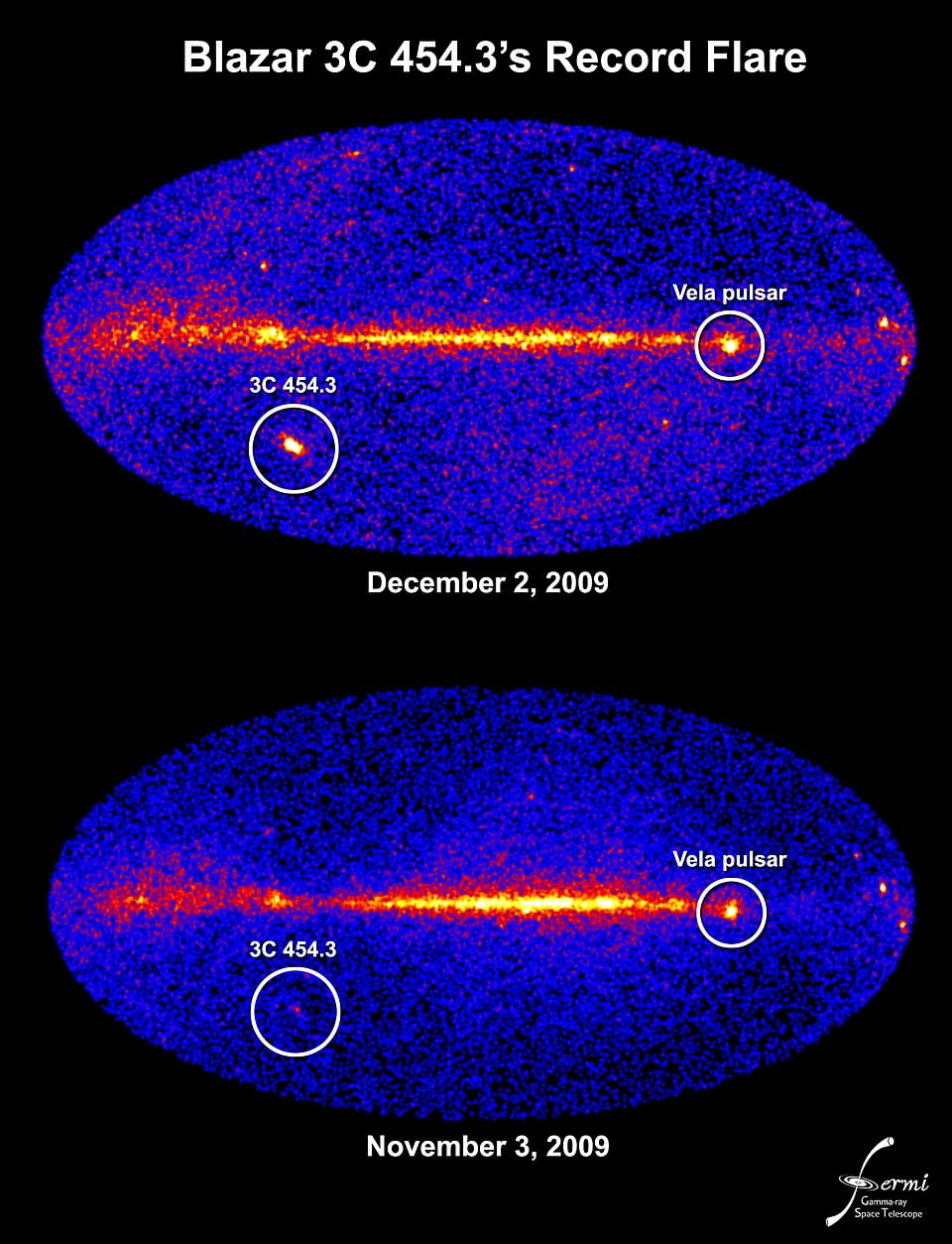
Microscopic Space Dust Reveals A Hidden Reservoir Of "Heavy Water" Beyond Neptune
Astronomers can find valuable information in even the tiniest objects. That was certainly the case recently when twelve dust grains collected by a high-altitude aircraft helped solve a mystery about .
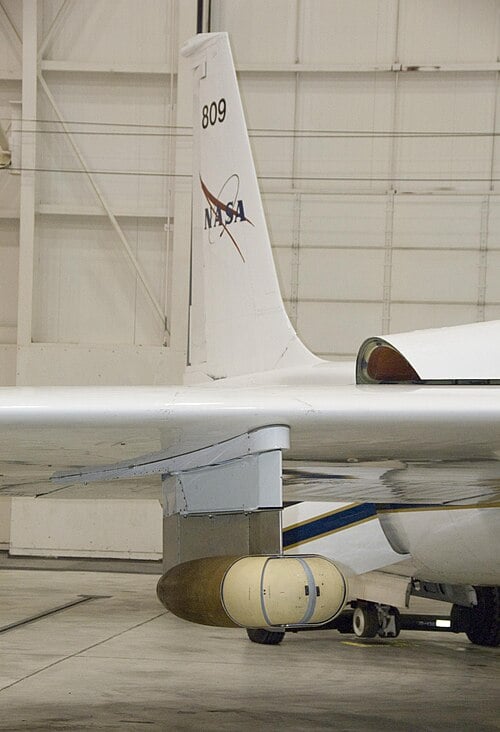
Computer Simulations Provide the Best Explanation for Those "Little Red Dots" Yet!
Tiny ‘Little Red Dot’ galaxies found by the James Webb Space Telescope are revealed to be the remnants of supermassive primordial stars surrounded by dense gaseous envelopes.
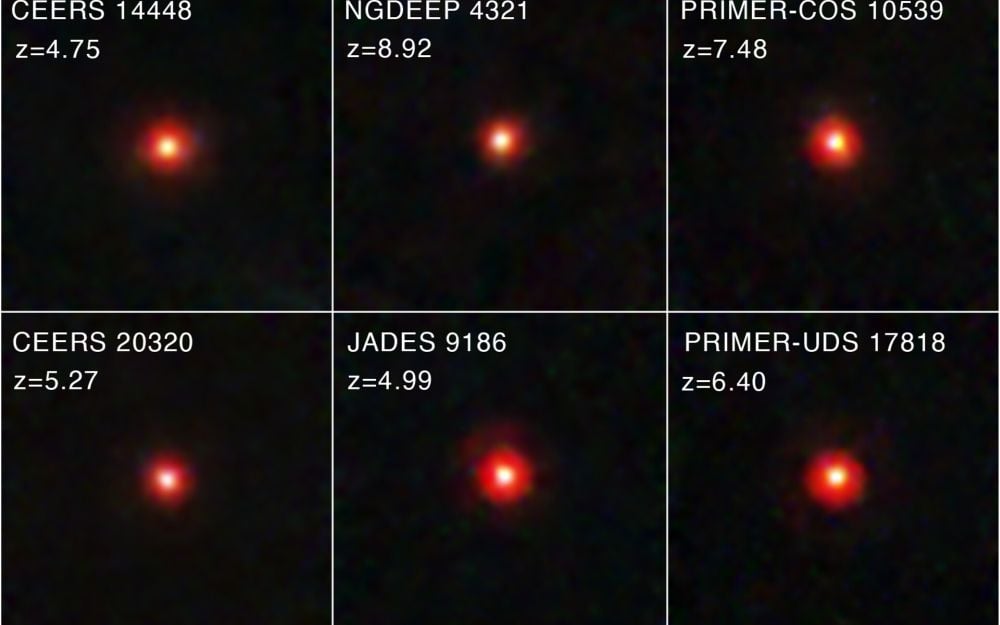
Black Holes and Their Mysterious Bright Structures Explained
Black hole jets from the SMBH in Centaurus A, and from some other SMBH, are brighter on their edges than in their centers. It's called limb brightening, and it's unexpected, and astrophysicists want .
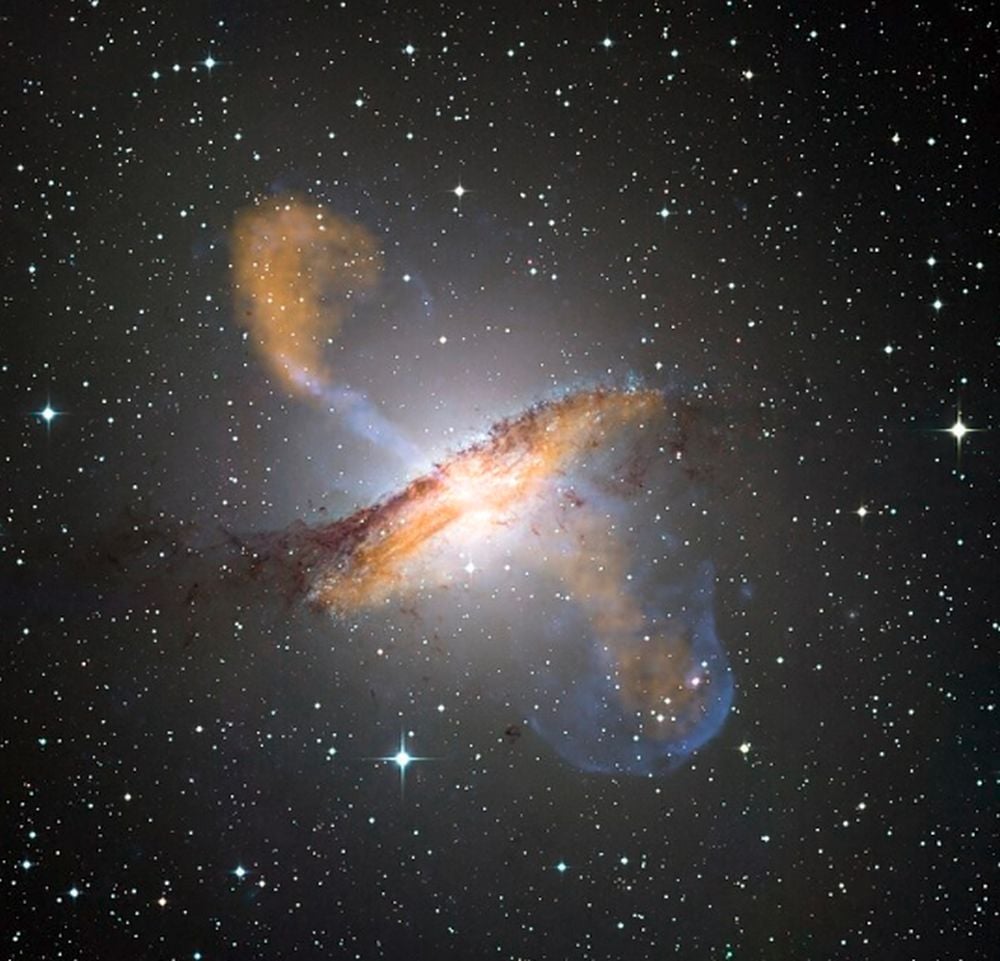
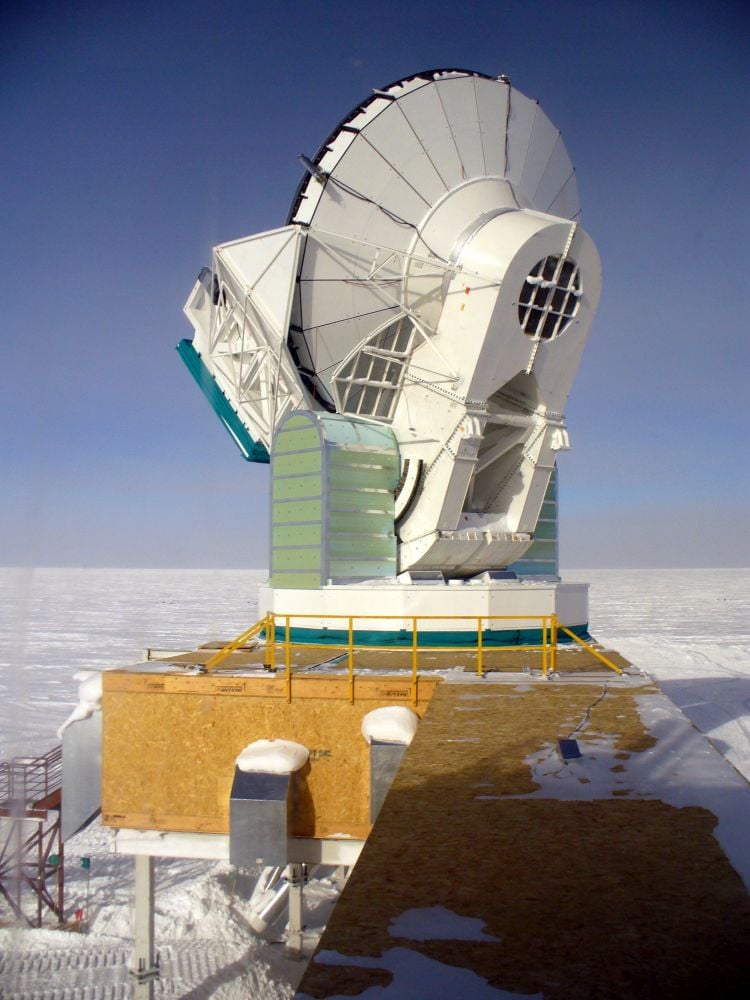
Searching for Elusive Signals in the Cosmic Microwave Background from the South Pole
As the Universe's very first light, the Cosmic Microwave Background holds clues to the very foundation of the cosmos. But, of course, the cosmos doesn't give up its secrets to a casual observer. Only.
Did The First Quarks and Gluons Experience Brownian Motion? Sometimes.
The quark-gluon plasma of the early universe experienced Brownian motion, but a new theory predicts how a particle moving at close to the speed of light is likely to be pushed and pulled by a fluid a.

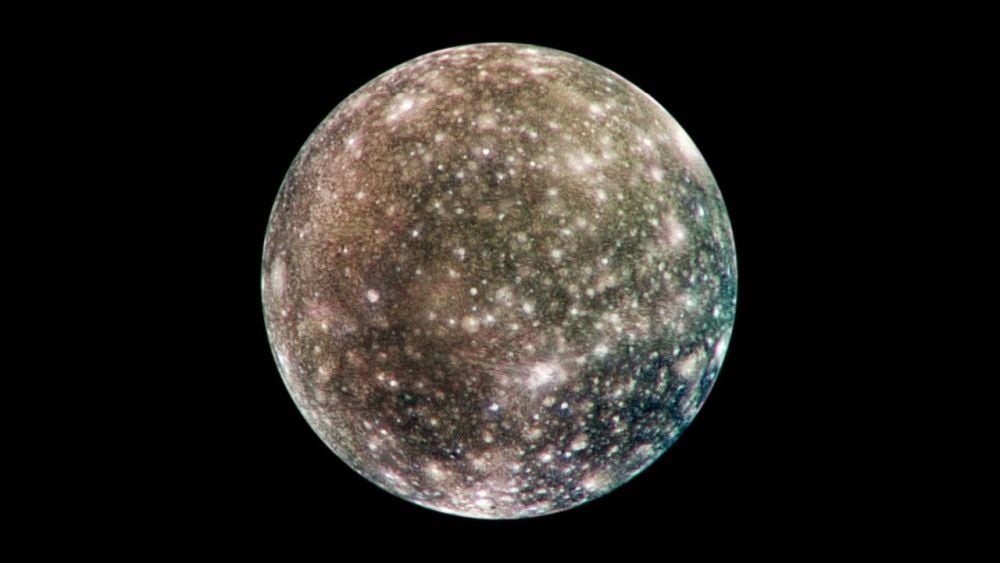
China Signals Its Intention to Land on Jupiter's Moon Callisto
China is outlining plans to place a small lander on the surface of Jupiter's moon Callisto, the outermost of the four Galilean moons. It's an ambitious plan, and would be only the second time anythin.
Galaxy Outflows Likely Regulate Star Formation At ‘Cosmic Noon’ NASA’s Webb Reveals
A galaxy’s ultimate habitability is likely linked to massive gaseous outflows that regulate star formation.
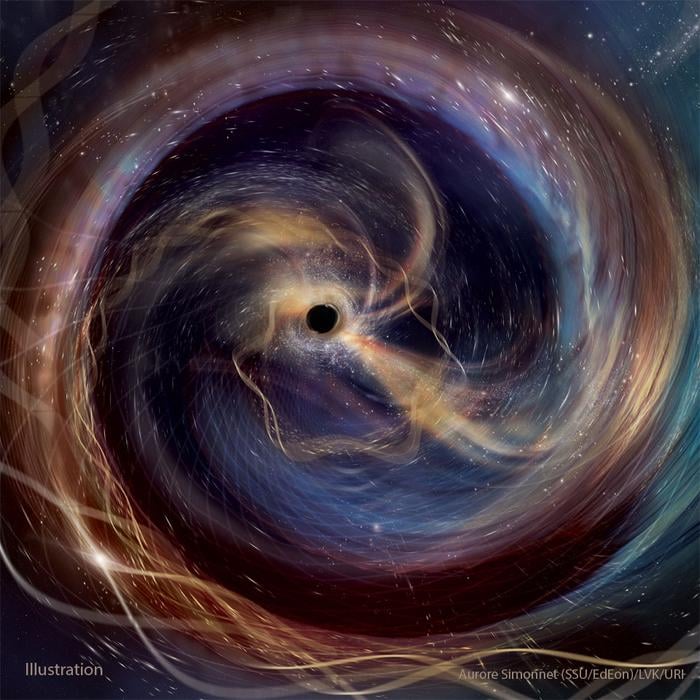
Ringing Black Holes Offer Precision Tests of Relativity
Black holes remain some of the most mysterious and awe-inspiring celestial objects ever studied. This primarily comes from the fact that they literally can’t be observed unless they interact with som.
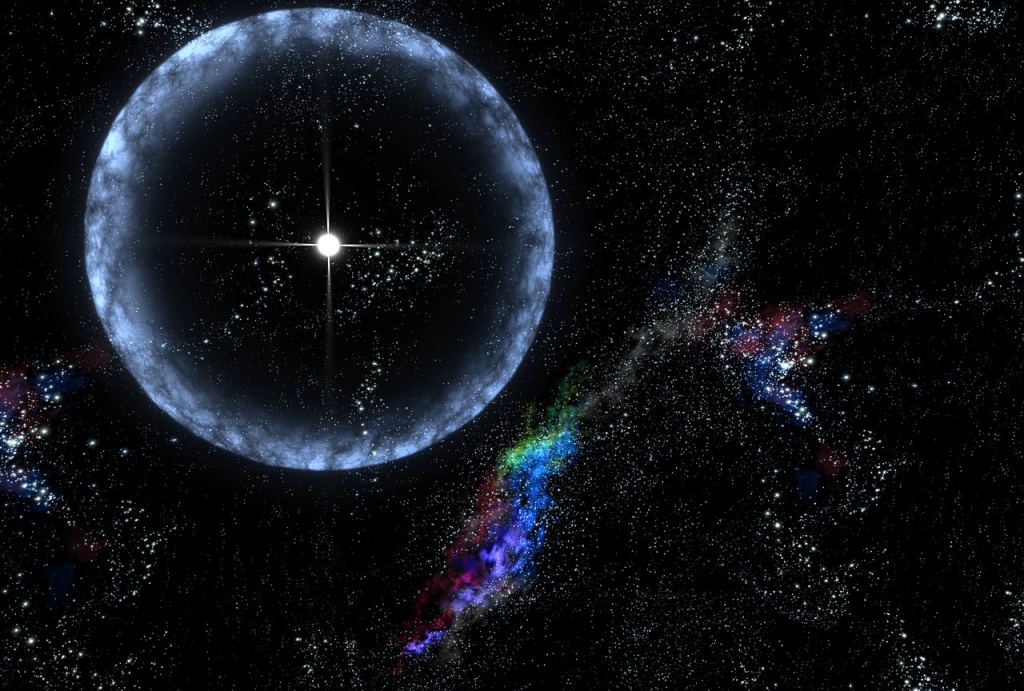
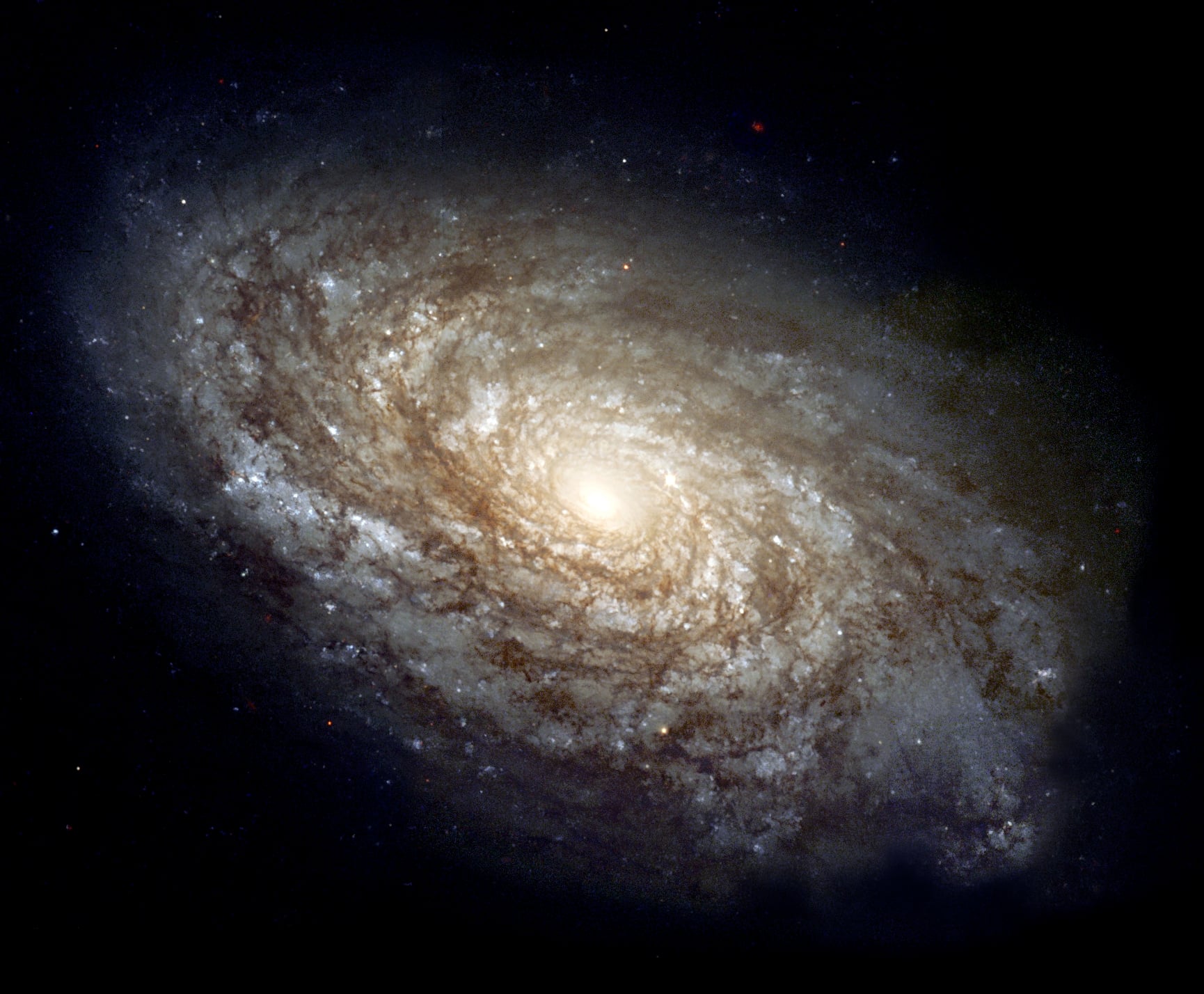
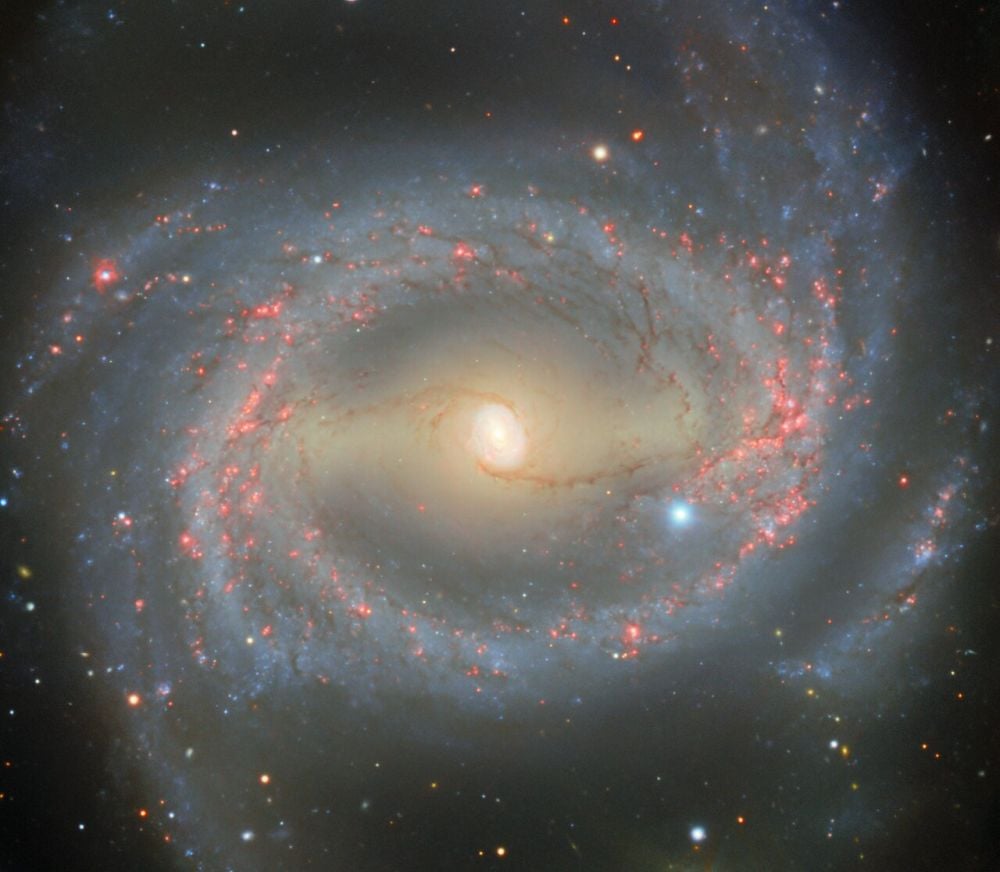
This Supernova is 50 Million Light Years Away, But That's Close Enough For Astronomers
A new supernova has been detected in a spiral galaxy about 50 million light years away. That's close enough for detatiled follow-up observations, which have already begun. It's a type Ia supernova, m.
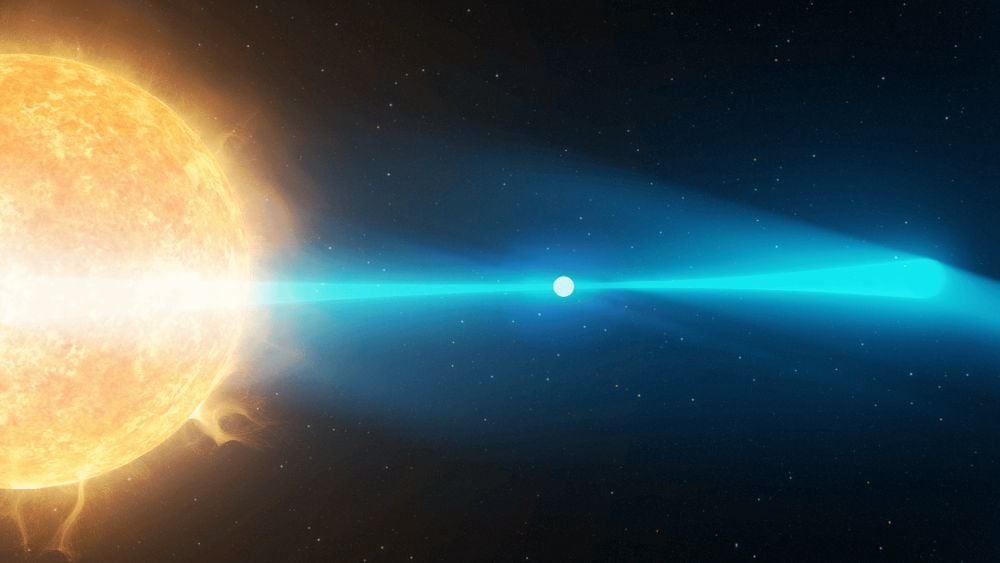
This Rare Binary Star Emits Radio Pulses Every Few Minutes. Will It Eventually Explode?
Astronomers have found a Long Period Radio Transient about 5,000 light years away that's different from other LPTs. Other LPTs have a white dwarf and a red dwarf, but this one has a white dwarf and a.
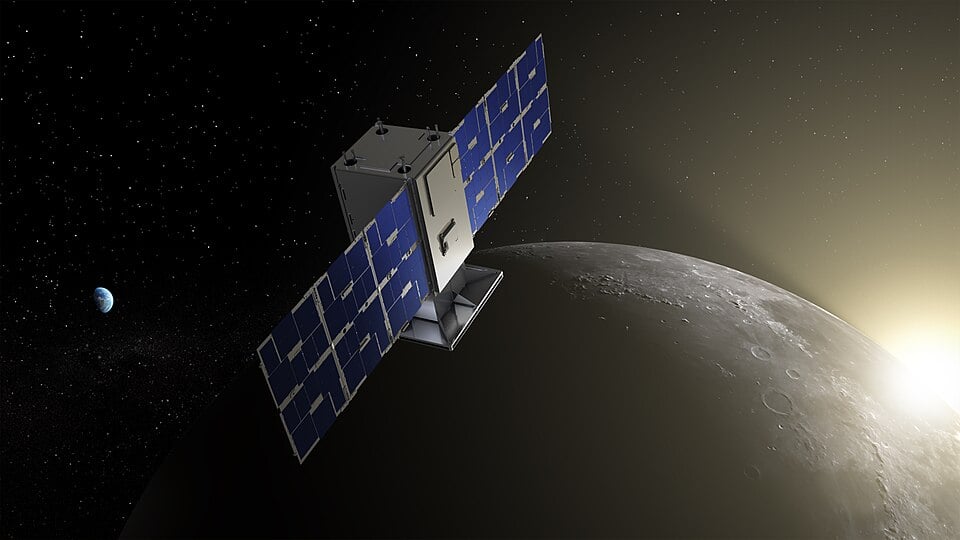
Navigating Lunar Orbit Using Nothing But Shadows And A Power Meter
Humanity is quickly starting to saturate our ability to track all of the satellites we have in deep space. NASA’s Deep Space Network (DSN) has been the workhorse for tracking such things for decades,.
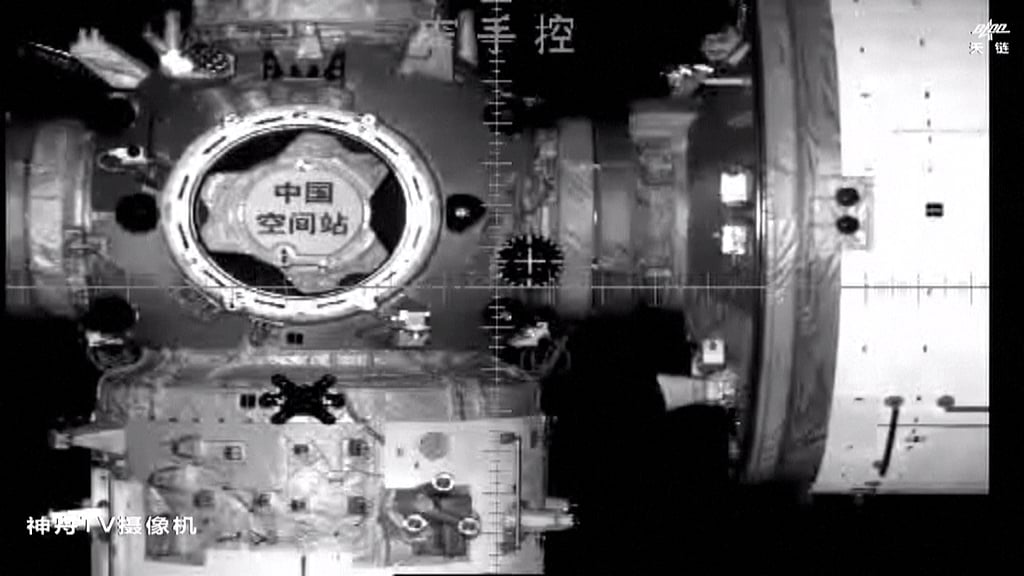
The First Foreign Astronaut Will Visit China's Tiangong Space Station in Two Weeks
The China Manned Space Agency (CMSA) will be taking a Pakistani astronaut to Tiangong as part of the Shenzou 24 mission, marking the first time a foreign astronaut has been to the station.
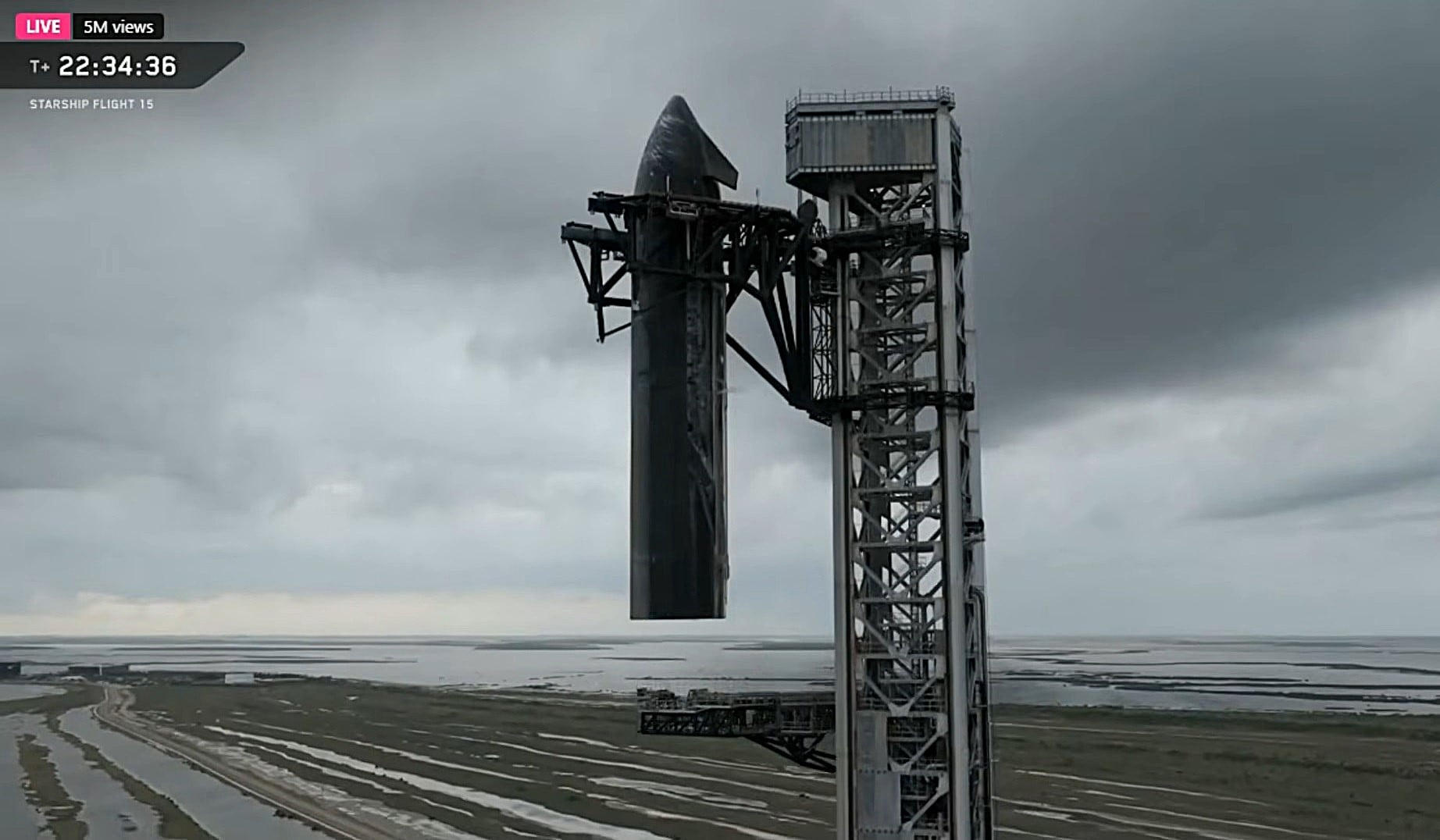
Baby, She's Back! SpaceX Catches a Starship From Orbit for First Time
SpaceX brought back its Starship rocket's second stage for a first-ever midair capture at its launch pad, capping a record-setting, 22.5-hour orbital flight test.
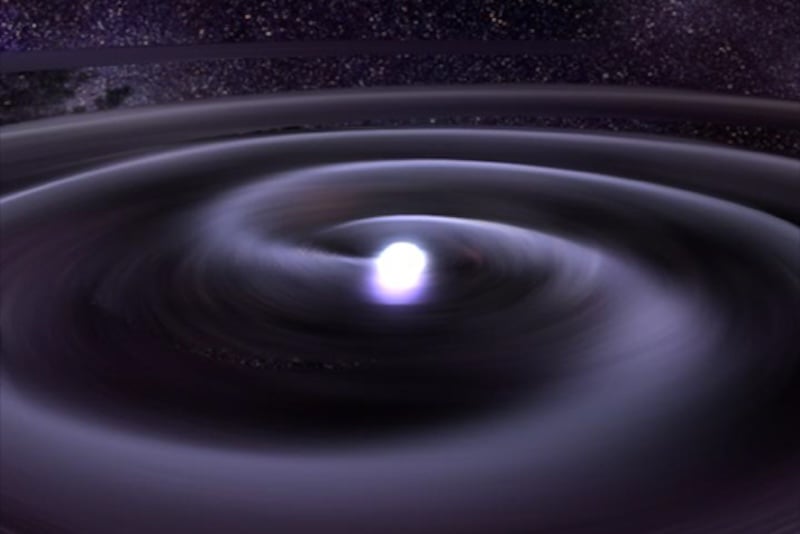
When Einstein's Gravitational Waves Meet Newton's Tides
A researcher at Freie Universität Berlin has developed a theoretical framework for searching high-precision measurements for possible relativistic traces in lunar tides.
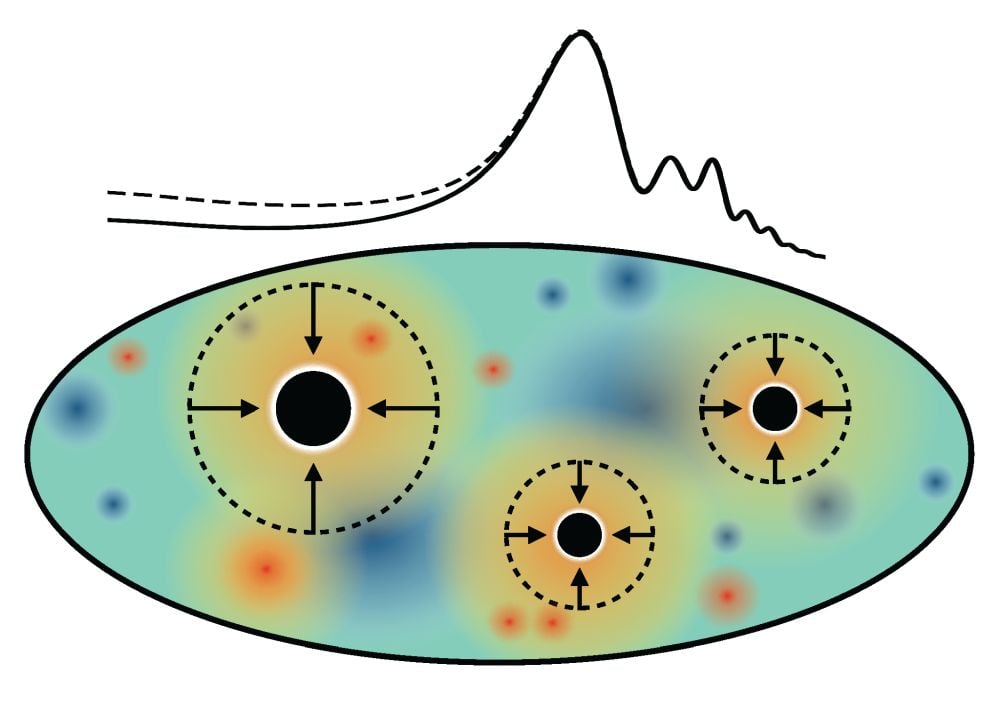
Astrophysicists Cross Another Dark Matter Candidate Off Their List: Stupendously Large Black Holes
Astrophysicists are leaving no stone unturned in their search for what dark matter is. Different particles have been proposed, like WIMPs and axions. Hypothetical rimordial black holes have also been.
SpaceX Launches Starship But Passes Up Booster Catch for Safety's Sake
SpaceX sent its Starship on a flight that was meant to feature a first-ever retrieval of both rocket stages, but a launch-pad catch of the first-stage booster had to be canceled due to safety concerns.